Laughter, Jokes, and Joy
The Easter season, when we celebrate that God has the last laugh on Satan, is the perfect time to reflect on humor. This gift is unique to human beings. I love a good laugh. Yesterday Sister Sharon, who teaches second grade, said that in class she mentioned Pope Benedict XV. Immediately a little boy’s hand shot up. He said, “When I was in first grade, he was Pope Benedict the XVI.” Do you read all the jokes in the Reader’s Digest first? Do you like to watch “America’s Funniest Home Videos”? Do you instinctively like someone who makes a funny remark? Then you are like most people.
God obviously has a sense of humor. Why else would he create a giraffe, a hippopotamus, and two-year-old human being? Consider too the jokes God played: old Sarah becomes pregnant, and Saul on his way to persecute Christians becomes their leader. Jesus sometimes cracked jokes too, although some of it is lost on us. Still, it’s obvious that the image of a camel passing through the eye of a needle is ridiculous, especially if the camel is two-humped. And then there was the time Jesus sent Peter, the great fisherman, to fetch tax money from a fish in the Sea of Galilee.
Laughter is healthy. It’s been called the best medicine. I heard that it massages the liver! Even Scripture recommends it: “A joyful heart is the health of the body, but a depressed spirit dries up the bones.” (Proverbs 17:22) Wise speakers and teachers incorporate humor. At a Catholic-Lutheran dialogue workshop, a bit of humor set the tone for what could have been a stiff discussion. The session started off with three loud bangs that echoed through the seminary halls. Instead of being annoyed, the speaker said, “Those are typical seminary sounds. Next you will hear the lawnmower, and then the trash collectors will arrive.” Then someone called out, “Maybe that was a Lutheran pounding something on your door!” The meeting proceeded with a spirit of lightheartness and fellowship.
In the strength of our faith, we can “laugh at the days to come” with the ideal woman of Proverbs 31:25. In fact we can die laughing in the tradition of St. Lawrence who advised his executions who were burning him alive, “Turn me over. I think I’m done on this side.” And then there’s St. Thomas More who warned his executioner to aim carefully and then moved his beard out of the way, explaining that it had never offended the king.
In a talk to religious women, Bishop Anthony Pilla of Cleveland spoke of the need for “a diaconate of humor.” We must teach laughter to a world that has almost forgotten how to laugh. Laughter is the sign of joy, and joy is the mark of a Christian, a fruit of the Holy Spirit. The little prince in Antoine de Saint Exupery’s The Little Prince leaves his friend the gift of his laughter. To whom can you give that gift today?
P.S. I once collected from the Sisters of Notre Dame true stories of funny things that happened in the classroom or parish. These are in the book Catholic School Kids Say the Funniest Things, available through my Amazon Bookstore in the tool bar or through me.
When has someone tickled your funny bone?
Musing about Easter and Life-Giving Light
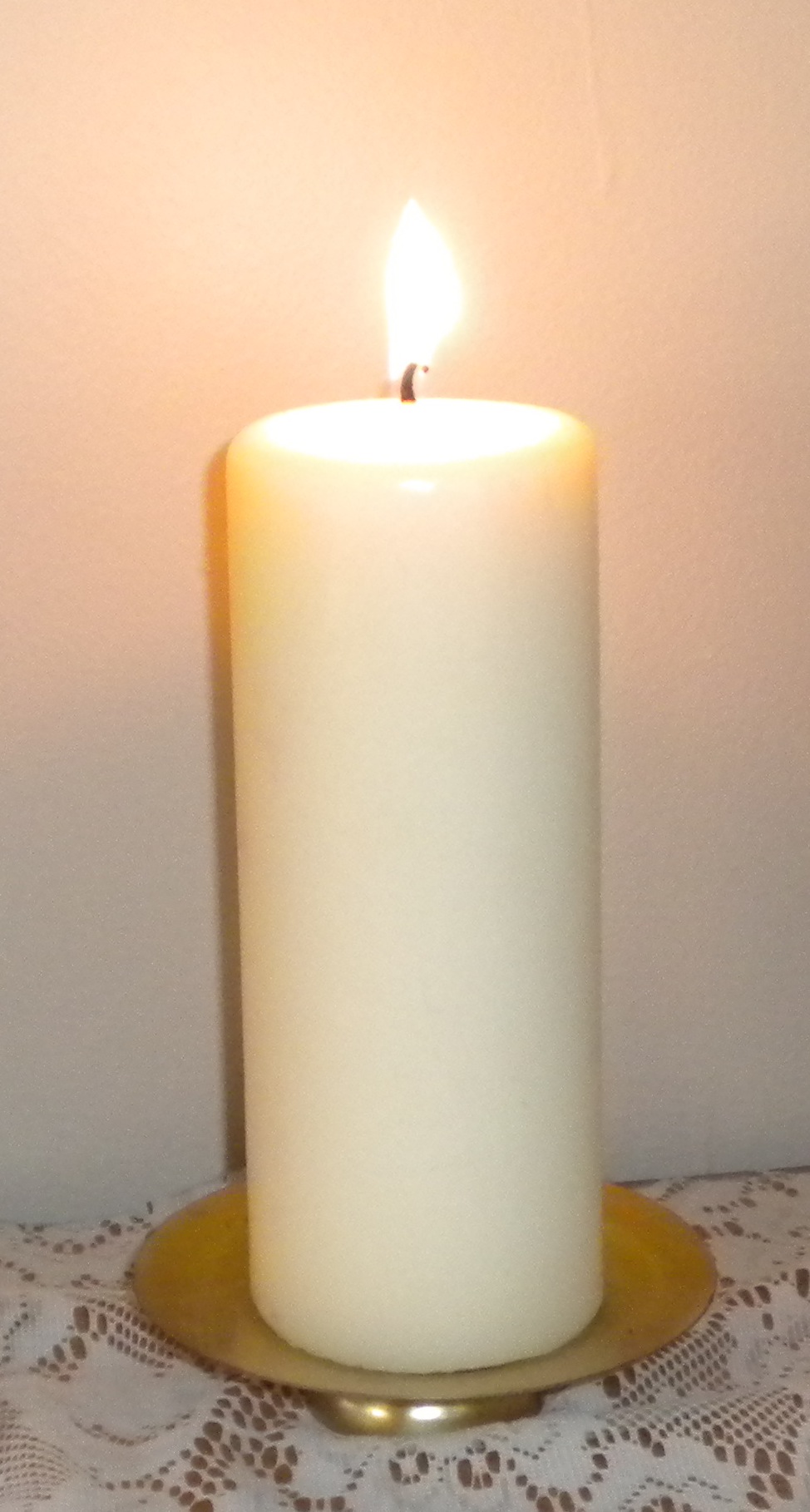 Pope Benedict once noted that at the beginning of time God said, “Let there be light,” and creation happened. Then on Easter, the Light of the world burst forth from the tomb and a new creation was inaugurated. Light figures dramatically in the Easter Vigil rituals. Enveloped in darkness, we hold tapers. Then the priest starts a new fire and lights the Christ candle. Its flame is shared from one taper to the next. Light gradually spreads over the church, and our faces are bathed in the glow of our tapers. (more…)
Easter Eggs’ Lesson on Life and Death
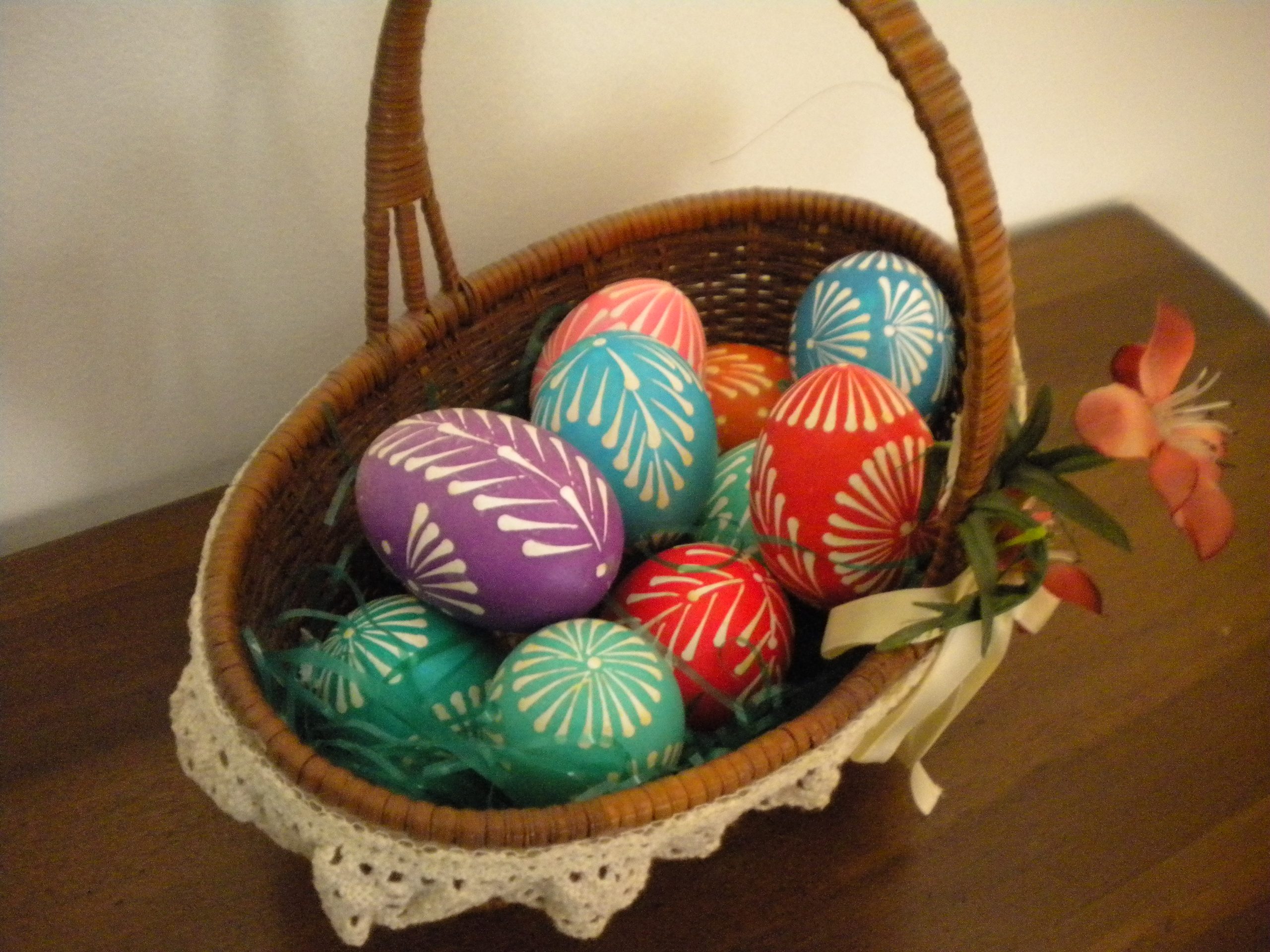 Three Easter memories: Every Easter my mom melted beeswax in a coffee can lid and using a pin stuck in the end of a matchstick painted graceful patterns on eggs. The eggs emerged from a bath in Chick-Chick dye vividly colored. These eggs were robbed of their chance to bring forth chicks. Instead they became things of beauty. One Easter my sister and I each received a live chick. Weeks later they disappeared. My aunt and uncle came for a Sunday dinner. (Uncle Joey had a mean streak. Every year he told us he had Santa Claus locked up in the basement.) At that fateful dinner he dropped a bomb: we were eating our chicks! My mother was quick to deny it. Only years later when I was a Sister and home for a visit did the truth come out. Yes, my gentle mom, who grew up on a farm, had murdered our pets. The chicks sacrificed their lives to become our food. I once saw a chick hatch in the biology lab of Regina High School. Pecking its way out of the shell was a lot of work. After the chick emerged, it kept falling asleep, its little head nodding.
These three memories of transitions carry messages for me. The Easter eggs remind me of the time when I was teaching twelfth graders a course on marriage. I waxed eloquent on the love of a couple that brought forth a new human being who was a living symbol of their loving union, combining both of their characteristics. A girl raised her hand and asked, “If marriage is so great, why are you a nun?” I replied that I chose to sacrifice that wonderful experience for something that I valued more: devoting my life completely to Jesus and his work. Unlike an egg or a chick, we all are free to decide how we will be “used” in life.
Of course, the chick coming out of its shell is a symbol of Easter because it parallels Jesus coming out of the tomb with new life. It reminds us that we too are destined for life on a new and glorious level. But the process of reaching it—developing through the ups and downs of this life on earth and then breaking through to the other side—calls for hard work.
As we live through Holy Week, we ponder again the “hard work” of suffering Jesus did before rising with eternal life and in the process winning it for us. May we all be as persistent as the hatching chicks in being true to our vocation, whatever it may be, in hopes of one day emerging into the glory of heaven.
When has a transition in your life brought you to a fuller life? What did it cost?
Small, Meaningful Acts a la Pope Francis
By now the whole world knows what kind of man fills St. Peter’s sandals. Just the fact that Pope Francis wears his old black shoes instead of the papal red ones (or even the new black ones his friends bought for him) speaks volumes. The media overflows with other little acts of our new pope that reveal his heart. This makes me wonder What if reporters and cameras were focused on me? What if they recorded and analyzed my every word and action? How would I be perceived? How would I match up to our leader on earth? Already Pope Francis is inspiring me to be a better person, to ask What would Pope Francis do? (more…)
The Holy Spirit, St. Patrick, and the Conclave
A Jesuit priest once asked me if I ever prayed to the Holy Spirit. “No,” I said. “I’m surprised,” he replied, “because you’re a writer.” Ever since then I’ve turned to the Holy Spirit for help, especially when I need an idea. He or she does not disappoint. Suddenly an idea will float into my mind, or I’ll open a book and find just what I need. This week as we celebrate St. Patrick, besides the green cookies and parades, we might focus on the teaching he’s famous for: the Trinity—all three Persons.
Theologically speaking, the Father reflects on his perfect self and that gives rise to the Son. The love between these two persons results in the Holy Spirit. Remember when the Spirit was called the Holy Ghost? The name Spirit is less frightening and more suitable for love personified. The Spirit is the gift Jesus promised at the last supper. He called the Spirit our paraclete, which loosely translated means someone who walks with you, someone who has your back. At baptism the Spirit came to dwell in us, ready to be there for us in case of emergency and just during everyday life. The main task of the Spirit is to make all of us holy, more loving. Where the Father is the Creator and the Son is the Redeemer, the Holy Spirit is the Sanctifier.
What does the job description of this Third Person of the Trinity include? The Spirit helps us pray, brings about the change of the bread and wine into the Body and Blood of Jesus, enlightens us about Scripture, gives us strength to withstand temptation, inspires us to do good, and, as every Catholic students knows, helps us to pass tests!
Right now, the Spirit is at work fulfilling a main responsibility: guiding the Church. As the cardinals meet to elect the next Holy Father, let us ask the Spirit of wisdom, knowledge, counsel, and understanding to blow through our Church, ridding it of cobwebs and dirt. Let us pray to the Spirit to set our hearts afire, purging them and forging them to face the future with courage, hope, and above all, Love.
St. Patrick supposedly drove snakes out of Ireland. We might also solicit this saint’s aid in driving out dangerous attitudes during the conclave. With his help our Church might experience a new spring when everything is green again!
When have you benefited from the Holy Spirit’s nudgings?
What are your hopes for the next pope?