

During August I will be with the Sisters of Notre Dame in Africa. So, instead of a post from me this week, here is a guest post written by Patricia Sarmiento. I hope if you are grieving your marriage partner you personally find these words helpful. Maybe you can refer it to someone else who may be experiencing this painful loss.
Finding Hope and Healing After Early Grief: For Catholic Widows and Widowers
Catholic widows and widowers who have moved past the first shock often enter a quieter, harder middle where grief becomes woven into ordinary hours. The core tension is real: daily life must keep going while love and longing remain, and that can stir spiritual doubt, loneliness, and fatigue. Alongside the emotional challenges of loss, practical adjustments post-bereavement, meals, sleep, finances, parenting, and decisions once shared, can feel relentless. With steady Catholic grief support and attention to mind and body, healing can take shape without leaving a spouse behind.
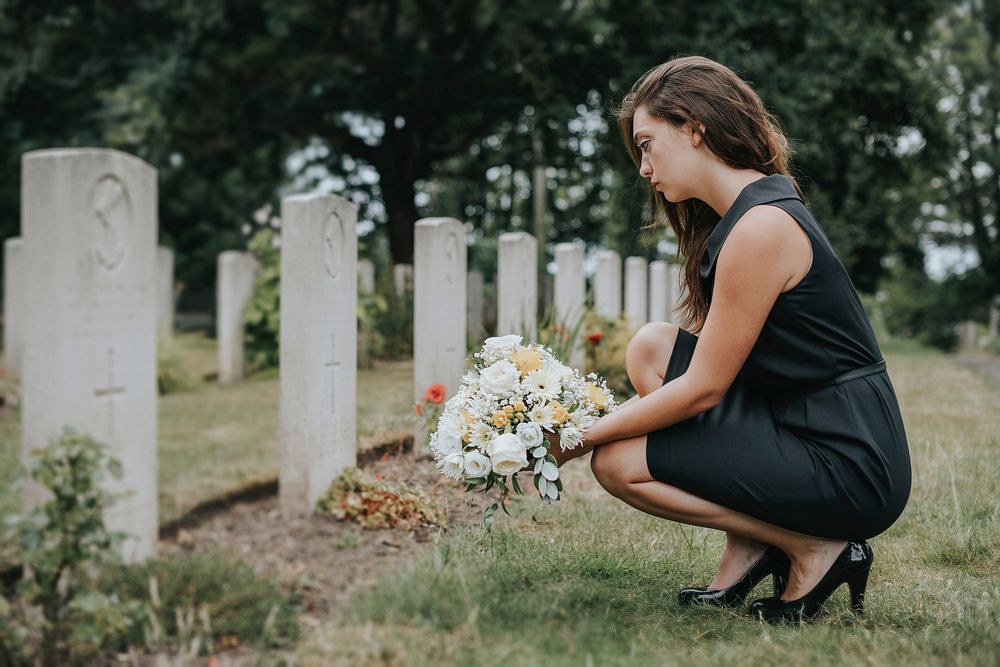
Understanding Growth Without Letting Go
Rediscovering your identity after loss does not mean erasing your marriage. It means learning who you are now, with love and grief both included. Many grief counselors describe this as an expansion of life around grief, where sorrow stays real but your life can still widen.
This matters because Catholic healing is both spiritual and human. Prayer, sacraments, and community can support you, while your emotions still need honest attention. Research describes holistic healing after loss as caring for emotional, practical, and social needs, not just beliefs.
Think of keeping a small candle near your spouse’s photo while also lighting a second candle for today’s tasks. One flame honors what was; the other helps you take your next faithful steps. This perspective helps common questions about prayer, sadness, dating, and “doing enough” feel less frightening.
Grief, Prayer, and Moving Forward: Common Questions
Q: What if I cannot pray because I feel numb or angry?
A: You are not failing God. Many people experience normal aspects of grief that include numbness, agitation, or even no emotion at all. Try a one-minute prayer like, “Jesus, stay with me,” or simply sit quietly with a crucifix and breathe.
Q: How do I know if my sadness is normal grief or something more serious?
A: Grief often comes in waves, but get extra support if you cannot function for weeks, feel hopeless most days, or have thoughts of self-harm. Clinicians note 7%–10% develop prolonged grief disorder, which is treatable with the right care. Consider talking with your doctor, a licensed therapist, or a Catholic counselor.
Q: Should I force myself to “be strong” and serve more at church?
A: Love can look like showing up, but it can also look like resting. Choose one small, sustainable commitment and pair it with one restorative practice, like a walk, a meal with a friend, or earlier sleep.
Q: When is it okay to date again as a Catholic widow or widower?
A: There is no universal timeline. Begin only when you can speak about your spouse with honesty, set clear boundaries, and bring your decisions to prayer and wise counsel.
Q: Can I still wear my ring or keep traditions and also heal?
A: Yes. Keeping meaningful symbols can honor your vows while you learn how to live today. If an object keeps you stuck, try placing it somewhere intentional and choosing one new routine that supports your daily life.
Use Gentle Creativity to Hear Your Heart Again
Creativity can be a powerful pathway to healing and self-rediscovery for widows and widowers, because it gives grief, and hope, somewhere gentle to land. Today, AI art generation tools make this kind of expression available to anyone, even if you’ve never considered yourself “artistic”: you type a short description, and it instantly becomes original, customizable artwork. With a tool like Adobe Firefly’s AI art generator, you can shape an image that feels like a quiet prayer in color, perhaps a tribute that honors your spouse’s memory, or a scene that reflects who you are becoming in this new season. The point isn’t to produce something impressive; it’s to give yourself a low-pressure way to listen inward, express what’s hard to say aloud, and take one small step toward growth while still holding love and remembrance.
Consider Returning to School to Rebuild Rhythm and Purpose
As prayer and your questions about moving forward begin to steady your footing, a gentle next step can be choosing something that gives your days structure again.
For some widows and widowers who feel ready to invest in themselves, returning to school can restore rhythm, rebuild confidence, and open real options for the future, without asking you to “be over it.” Flexible online programs can make learning possible on your own timeline, with less pressure than a traditional classroom setting, so you can move at a pace that respects your energy and your grief.
If you’ve felt drawn to meaningful service, earning a bachelor of arts in elementary education can help you gain the skills and qualifications needed to become a licensed teacher, offering a practical path toward supporting students and making a positive difference in their daily lives.
As you discern what kind of structure and purpose fits this season, the next step is building a steady week with routines, boundaries, and supportive parish life.
Understanding Stability, Support, and Boundaries
Community-centered stability means shaping ordinary days so your body and spirit feel held again. It includes simple routines, a few dependable relationships, and a gentle return to parish and social life at a pace you can sustain. It also includes limits that protect your heart, because boundaries are not selfish when you are healing.
This matters because isolation can quietly grow when you are exhausted, even if you still believe. Steady habits and safe people can reduce decision fatigue and make prayer, Mass, and conversations feel less overwhelming.
For example, you might commit to Sunday Mass and one weekday check-in with a trusted friend. You can decline busy gatherings for now, while accepting a short coffee after church or a bereavement group.
Understanding Discernment for Your Next Steps
Spiritual discernment after loss is a prayerful way of choosing what helps you live, not just endure. It means you name a few doable paths, then gently test which ones bring steadier peace and love. A helpful spiritual discernment definition describes it as seeing the difference between good and bad, wisdom and foolishness.
This matters because grief can make every choice feel final or disloyal. Clear options like service, learning or work shifts, and health supports lower pressure and reduces regret. They also protect you from getting stuck, since 10–13% of bereaved people may experience prolonged grief.
For example, you might try one parish ministry hour twice a month, update a resume, and schedule a counseling intake. After each step, you ask: Did this increase charity, stability, and rest? You keep what bears good fruit and release what drains you.
Choosing a Faithful Next Step While Honoring Your Spouse’s Memory
Early grief can feel like an unfair choice between remembrance and forward movement, as if healing means leaving love behind. A Catholic approach to discernment holds both together, inviting faith and resilience through prayerful, realistic attention to what is life-giving now. Over time, this creates a hopeful grief journey where sorrow is named, support is welcomed, and new life chapters can be embraced without erasing what came before. Grief can move forward without moving on from love. Choose one next step this week, one support, one act of service, or one health appointment, and bring it to prayer. This matters because steady, compassionate choices build stability, connection, and long-term healing.
Can you add some tips for living successfully through the grief following the death of a spouse?
Do you know someone who could profit from reading this article?
Jesus rose from the dead. Remember his words promising eternal life when you will be reunited with all your loved ones. The two hymns here convey his consoling message in different ways:


One Response
I am not married. But I lost both of my parents. 2002 my Mother and 2020 my Father. I still have grief over the death of my parents. I still feel thr grief and the pain. I feel part of me has gone too. Does this count too?