Song as Prayer
At our July 4th Mass, we sang every verse of every song, something Catholics rarely do. It got me thinking about the major role song plays in our lives. I believe we are the only earthly creatures that can  sing, not counting birds who each have their own sound (except for the mockingbird). Whale sounds too might be considered song, but not like ours. Song is woven throughout our entire lives. Chances are that during our first years on earth our mothers sang us to sleep with lullabies. Then we learned children’s songs like “Are You Sleeping, Brother John?” and camp songs like “Found a Peanut.” In school we added to our repertoire in music class. Famous singers are among the most popular and richest people on earth. Some are called American idols! One of the most beautiful things I ever heard was at an opera when at one point a soprano’s voice seemed to shiver in the air. It was indescribable. (more…)
Patience, a Virtue
 Perhaps you are familiar with the prayer “Lord, give me patience. Right now.” Recently when I complained about having to wait so long to hear whether or not a book was accepted by a publisher,* a friend commented, “All in God’s good time.” God’s time is really different from ours! We Americans like things fast: fast meals, express lanes, instant coffee, express mail. We find it irritating to wait in line, be put on hold, and be stuck behind a car only going the speed limit. We like to squeeze as much as we can into our hours, but in the end we might only be as productive as the gerbil spinning on the wheel in his cage. On the other hand, Scripture says about God that a thousand years are as a day to him. (Psalm 90:4) While we have all the time in the world to do things, God has all eternity and takes his time—with marvelous results. (more…)
Bad Luck, Good Luck, Redemption
 This week I learned a new word, eucatastrophe. J. R. R. Tolkien, the author of The Lord of the Rings, coined it for a calamity in a story that turns out to be something good. It reminded me of a story that Sister Mary St. Jude used to tell:
One day, a farmer’s old horse that tilled his fields escaped into the hills. When neighbors sympathized with the old man over his bad luck, the farmer replied, “Bad luck? Good luck? Who knows?” A week later, the horse returned with a herd of horses, and this time the neighbors congratulated the farmer on his good luck. His reply was, “Good luck? Bad luck? Who knows?” Then when the farmer’s son was attempting to tame one of the wild horses, he fell off its back and broke his leg. Everyone thought this very bad luck. Not the farmer, whose only reaction was, “Bad luck? Who knows?” Some weeks later the army marched into the village and conscripted every able-bodied youth they found. When they saw the farmer’s son with his broken leg, they let him off. Now was that good luck or bad luck?
I can think of several events in my own life that were eucatastrophes. For one thing when I was head of the English Department at one of our high schools and all set to pursue higher studies in English at an Ohio university, I was sent to the University of Minnesota to get a Master’s degree in math–without having had undergraduate courses in math! (more…)
God the All-Generous and Prodigal
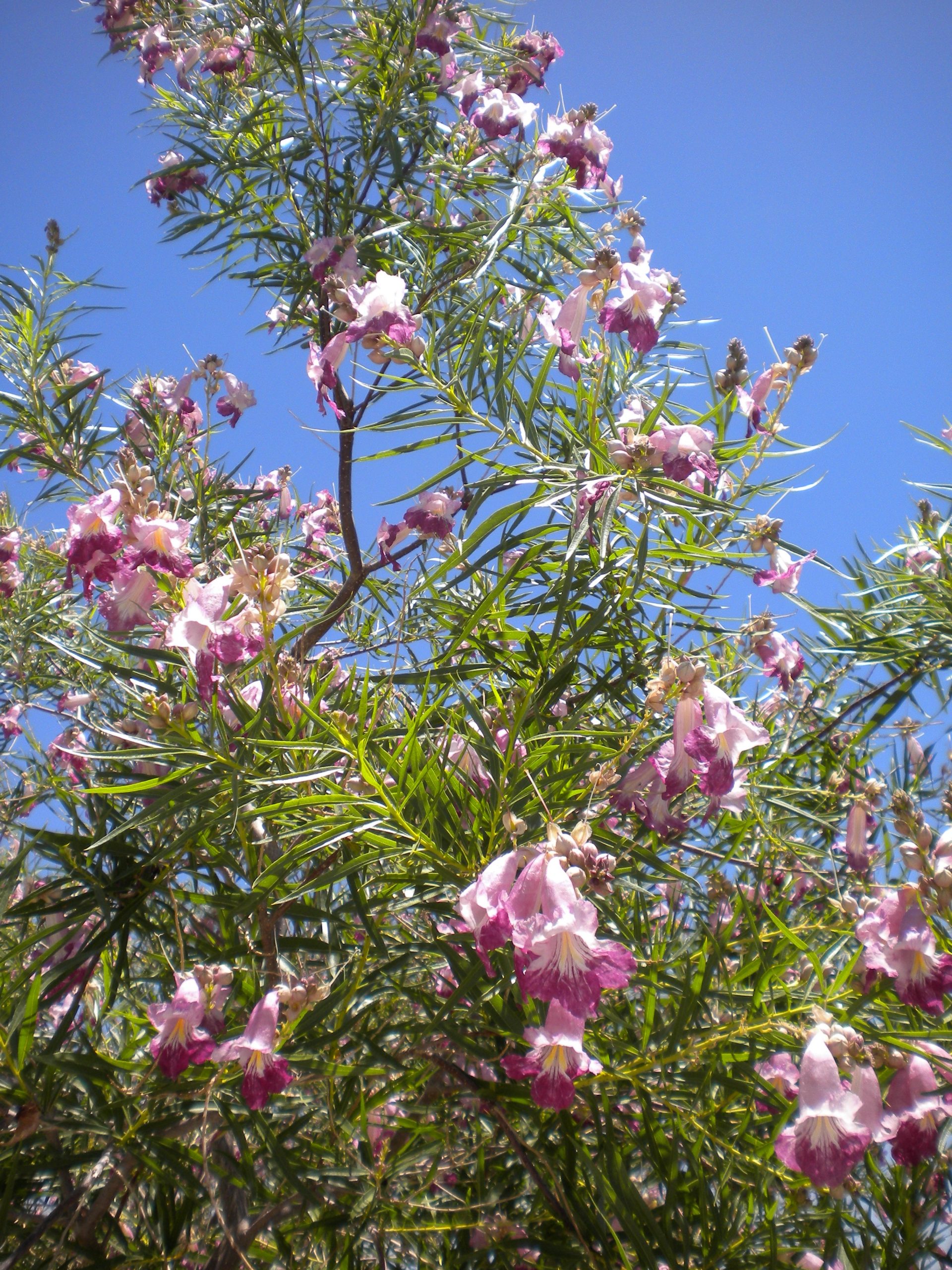 The news last week carried the story that scientists discovered an ocean 400 miles below the earth’s surface that has about three times the amount of water as the oceans we know. Here we are combing space for a planet that has water and so can bear life, and our little Earth has a superabundance of it. This led me to reflect on the ways that God has gone overboard in creating Earth for us. Take the universe, for example. Beyond the brilliant night sky we see in our Milky Way galaxy are billions of other galaxies billions of light years away that the Hubble Space Telescope has revealed. And who knows what lies beyond them? Then there are the males in any species, including our own, who produce billions of sperm when only one is needed to unite with an ovum and produce life. Consider flowers. Roses and lilies would have been sufficient to beautify our planet, yet God designed a variety of flowers to delight us. God’s attributes are all-merciful, all-good, all-knowing, all-just, and so on. In view of his output, we should definitely add all-generous. (more…)
Saints Teach Friendship
 In a recent Sunday Parade magazine there was an article about two young men who were best friends. One died fighting in Afghanistan and the other in Iraq. Their families had the two friends buried side by side in Arlington Cemetery. Similarly, Blessed John Henry Cardinal Newman asked to be buried in the same grave as his best friend (something that was done in those days). The Sisters of Notre Dame began with two French friends, and our branch originated with two German friends.
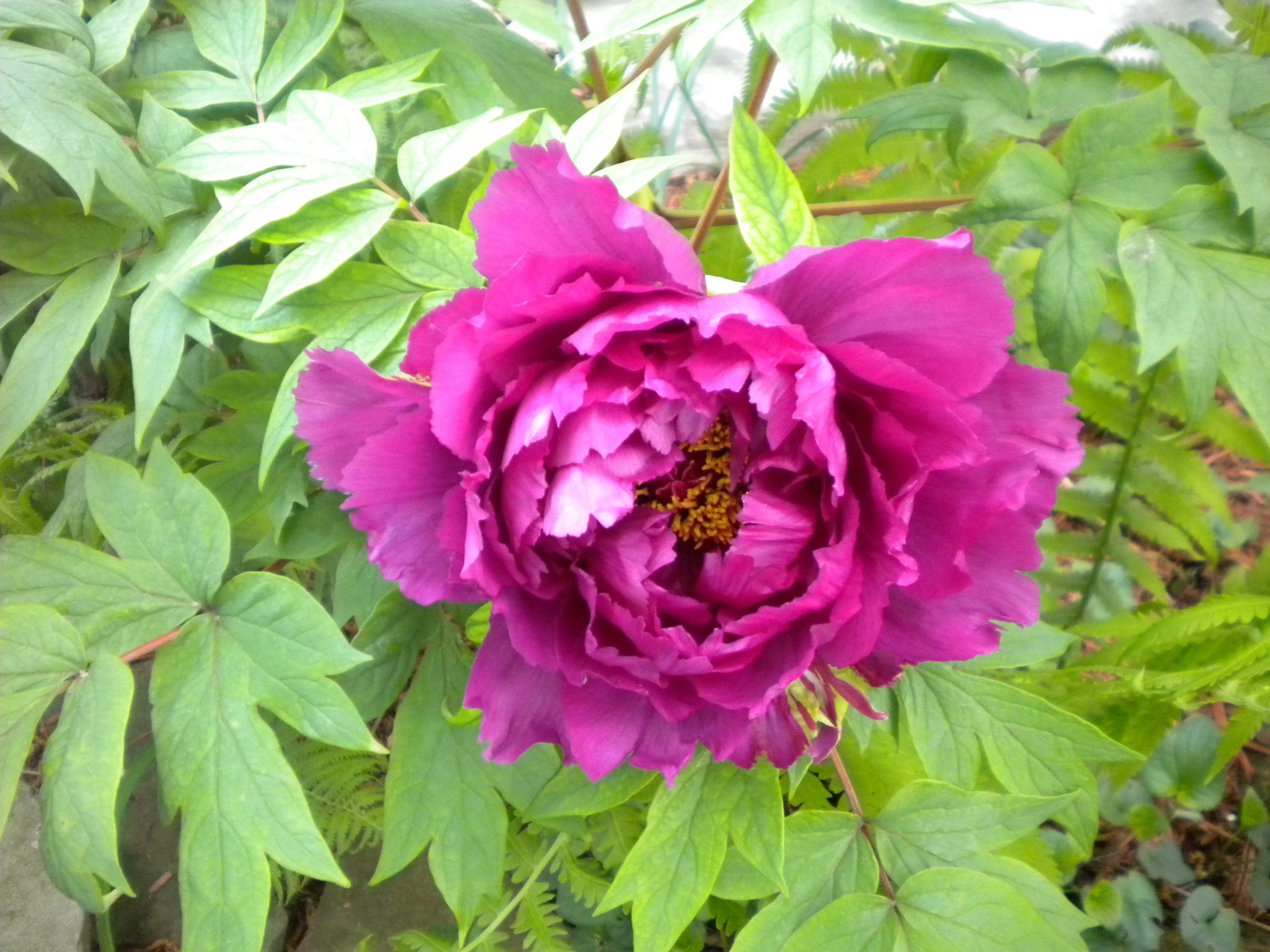
Working together, saints support each other and accomplish great things. Friends encourage, give advice, warn, share, and simply journey through life with you. Writer Francois Mauriac noted, “No love, no friendship can cross the path of our destiny without leaving some mark on it forever.” Friendship is a blessing to be enjoyed and cherished. Like a lovely flower, it is to be cultivated.
One of my favorite saint friendships bloomed between a sister and brother, St. Benedict and his twin, St. Scholastica. A charming story goes that one day when he visited her in the convent, she begged him to stay. It was against his rule to be away from the monastery at night, so he refused. Scholastica put her head down and sobbed. At that a terrific storm arose. Benedict asked his sister, “What have you done?” and she replied, “I asked you and you wouldn’t listen, so I asked God and he did listen.”
Other famous saint “couples” are St. Teresa of Avila and St. John of the Cross (whom she called the “half-monk” because he was short), St. Francis of Assisi and St. Clare (who nursed him as he died), St. Vincent de Paul and St. Louise de Marillac, and St. Frances de Sales and St. Jane de Chantal. In the Old Testament, David and Saul’s son Jonathan were best friends. David’s descendant Jesus too had special friends. Three apostles belonged to his inner circle: Peter, James, and John. Jesus enjoyed relaxing in Bethany at the house of brother and his two sisters—Lazarus, Martha, and Mary. When Lazarus died and the sisters were overcome with grief, Jesus cried. He loved his human friends that much.
A husband and wife must first of all be friends. Sharing their lives, they provide love and strength for each other. They make each other holy.
Someone defined a friend as someone who knows all about you and likes you anyhow. Of all the friends we consider precious— and they come and go throughout our lives—the best friend and the most constant is Jesus. He is truly a friend to the end. Coincidentally June 8 was Best Friends Day and Pentecost. The Holy Spirit is the one who binds us to Jesus.
What two friends do you know of who are models of friendship? Why?