A Fresh Look at the Rosary
New Book on the Rosary
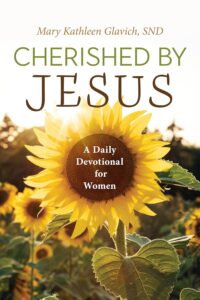
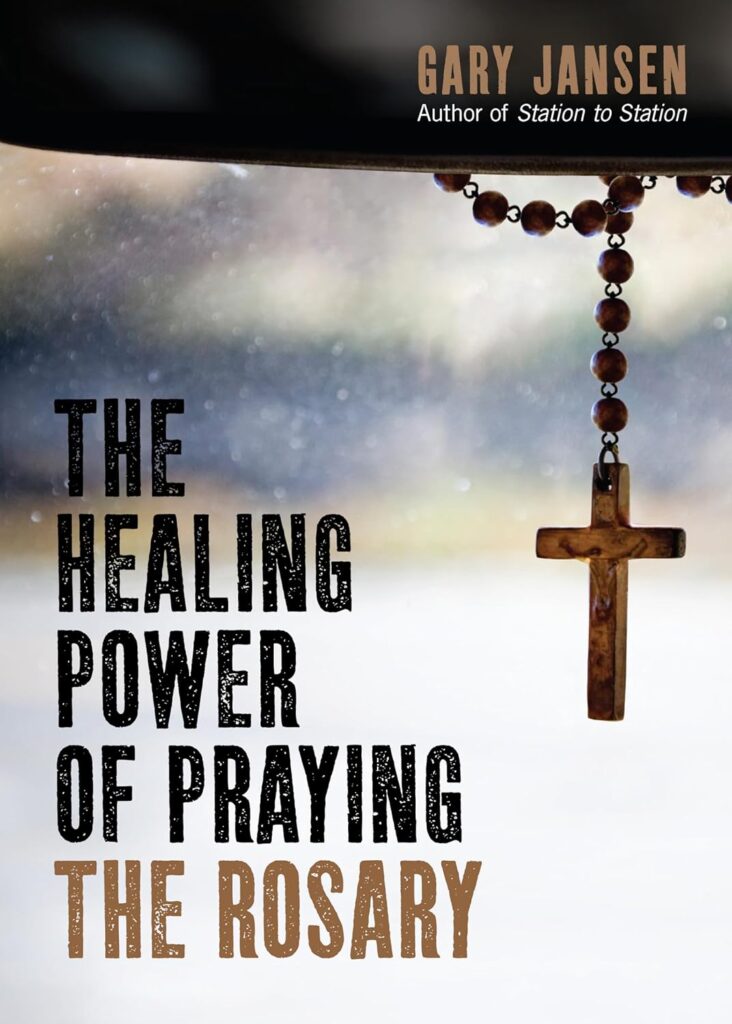
I was treated to a fresh look at the Rosary by reading a new book on it— The Healing Power of Praying the Rosary by Gary Jansen, my friend at Loyola Press. There are many books about the Rosary, but this one has a different slant. Through sharing personal experiences, Gary shows how praying the Rosary can heal body, bring peace, and draw one closer to God. It is just the right spiritual practice for the traumatic time we live in.
I’ve prayed the Rosary for decades (ha, ha), but some concepts in this book were new to me, for instance . . .
• The idea that Mary, as the mother of Jesus, can lead us to understand him better. The Rosary is a way of spending time with family.
• The repetition of the prayers are like the repetition of life’s greatest gifts: heartbeats, breathing, days and night, seasons.
• The mysteries invite being present and silent.
• Use the Rosary to listen to God.
• The Rosary lowers stress and promotes health.
• Praying the Rosary deepens our spiritual awareness.

• Synchronize breathing with the beads.
• The Rosary is connected to nature. It’s a very physical prayer. As we touch the beads, the rosary involves not only our bodies but the stuff of creation—wood, metal, stone, plastic, even seeds.
An Added Benefit
In addition, the book offers the usual facts about the Rosary. But a special feature is a presentation of each mystery with questions. These deepen your understanding of the mystery and relate it to your life.
If you stopped praying the Rosary or if you never prayed it, this book is for you.
Origin of the Rosary
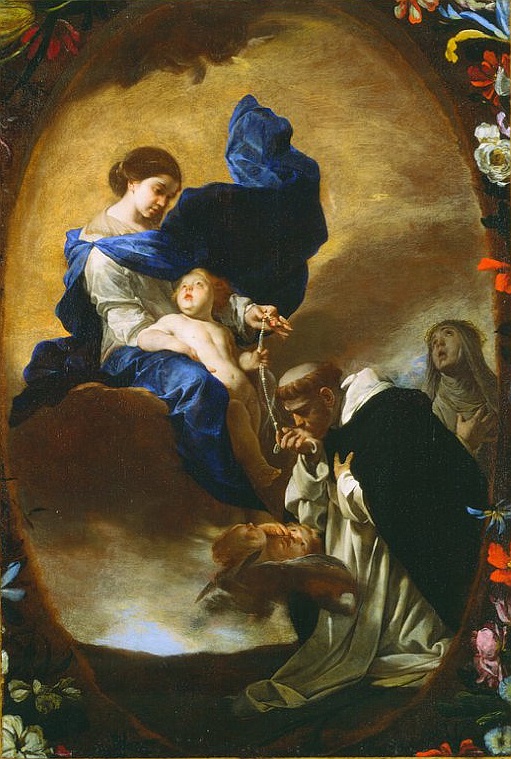
St. Paul tells us to sing hymns and offer prayers for leaders but says nothing about praying these prayer beads. According to a legend, the Rosary began when the Blessed Virgin appeared to St. Dominic in the fifteenth century and gave him a rosary to pray. This legend arose because the Dominicans promoted praying the Rosary.
The truth of the matter is that long ago people prayed the 150 psalms. Illiterate people, however, prayed 150 Our Fathers instead on beads called the paternoster (Latin for “our Father”). Lady Godiva (remember her?) bequeathed her paternoster made of gems to a monastery.
When the Hail Mary prayer was finalized in the twelfth century, people prayed it 150 times on beads beginning each set of ten with an Our Father. The Rosary was called Our Lady’s Psalter. The Hail Mary is rooted in Scripture. It combines the words of the Angel Gabriel with the words of Elizabeth to her and adds a short plea for her prayers. (The Creed at the beginning and the Our Fathers are also Scripture-based.)
Gradually people began to reflect on events in the life of Christ, making the Rosary “the Gospel on beads.” It’s also a way to pray Mary’s memories. These events called mysteries are grouped as Joyful, Luminous, Sorrowful, and Glorious.
The Rosary became more popular in 1571 when a large fleet of Turks were on the way to attack Europe. Pope Pius V asked people to pray the Rosary in public to protect Rome. The Christian navy was sure to be defeated. Yet, in the decisive battle of Lepanto, against all odds, the Muslims were trounced. The pope declared the feast of the Holy Rosary, which today is observed on October 7.
Saint Pope John Paul II added five new mysteries in 2002, the first major change in the Rosary in over 500 years.
People Who Prayed the Rosary
The Rosary was Saint Pope John Paul II’s favorite prayer. After September 11, 2001, he urged us to pray it for world peace. So did Mary herself in 1917 when she appeared to the three children in Fatima, Portugal, and called herself Our Lady of the Rosary. Coincidentally, this pope was shot on May 13, the day Mary first appeared in Fatima. Doctors were amazed how the bullet zigzagged to avoid major organs. The pope credited Mary with saving his life and ordered that the bullet placed in the crown of her statue in Fatima.

Likewise at Lourdes, Mary appeared with a rosary suspended from her arm and told St. Bernadette to pray her rosary. Our Blessed Mother prayed along. Of course, she was silent for the Hail Marys, but she joined in on the Our Fathers and Glory Be prayers.
Composer Joseph Haydn always had a rosary with him and prayed it; so did scientist Louis Pasteur. Although Martin Luther left the Catholic Church, he prayed it all his life.
A Lesson Learned
I love this story: A university student seated on a train next to an old man praying the Rosary remarked, “I don’t believe in such silly things. Take my advice. Throw the rosary out the window and learn what science has to say.”
“Science? I don’t understand,” replied the man. “Maybe you can explain it to me.”
The student offered, “Give me your address and I’ll send you some literature.”
Fumbling in his pocket, the old man drew out his business card. The boy looked at the card and burned with embarrassment. It read, “Louis Pasteur, Director of the Institute of Scientific Research, Paris.”
Why People Pray the Rosary
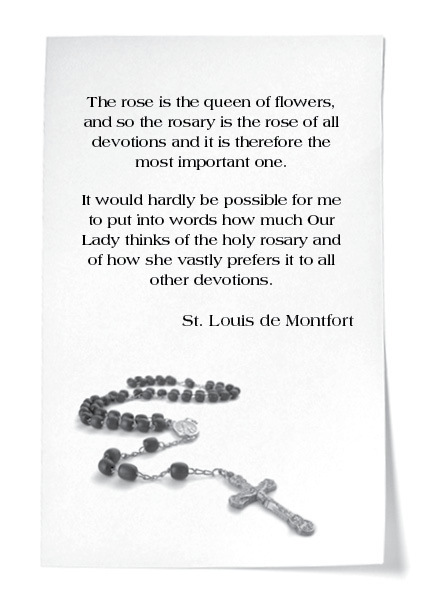
To this day the Rosary remains a popular prayer. It’s more than an ornament in the car, a necklace, or a nice Communion gift. By praying it, we honor Mary—like offering her a garland of roses. It’s also a powerful way to praise God, who created Mary and sent his Son to save us. Praying the Rosary also deepens our faith and links us more closely to God. The Rosary is not just a prayer for grandmas.
We Sisters of Notre Dame pray the Rosary every day. My friend tries to pray four a day.
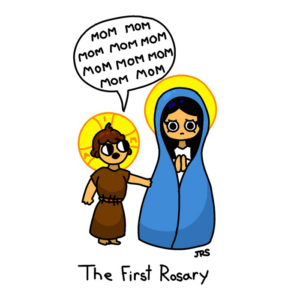
Some people find praying the Rosary boring because it is so repetitious. Our Blessed Mother obviously doesn’t find it boring. To her it’s like hearing “I love you” over and over.
When and How to Pray the Rosary
A fresh look at the Rosary includes ways to ensure that we really pray and not just say the Rosary.
Times to Pray
• The repetitions of the Hail Marys are like soothing background music to our thoughts—so soothing that the Rosary can be a remedy for sleepless nights, more effective than counting sheep, the Calm app, or lavender oil.
• While walking, running, or exercising, pray the Rosary.
• Pray the Rosary while traveling by car, bus, train, or plane.
• Father Patrick Peyton, C.S.C., known as the rosary priest, coined the expression “The family that prays together stays together.” So pray the Rosary as a family.
Variations of the Rosary
• Pray along with a Rosary prayed on a CD, an app, or a video on youTube. One site is www.comepraytherosary.org.
• If possible, pray in a different language like Latin, Spanish, French, or American Sign Language.
• Offer the Rosary for an intention or a person or offer each decade for a different, specific intention.
• After each decade pray the Fatima prayer that Mary gave to the children in her third apparition:
“O my Jesus, forgive us our sins, save us from the fires of hell, and lead all souls to heaven, especially those in most need of thy mercy.”
• Sing some of the prayers.
A Fresh Look at the Mysteries
• Create your own mysteries by praying on five of Jesus’s parables or five of his miracles.
• Think of five original mysteries of the Rosary that are related to Mary. These may be her titles or roles she has.
• Create mysteries based on your experiences, for example, gifts God gave you, mysteries of your family, or your work life.
Bringing the Mysteries to Life
• Spend a minute at the beginning of each decade concentrating on the mystery. At that time ask for the grace to grow in a virtue related to that event too.
• Stay mindful of the mystery by inserting in the Hail Marys words that refer to it. For example, for the first joyful mystery, the Annunciation, you might pray, “Hail Mary, full of grace, to whom the Angel Gabriel came, the Lord . . .”
• Visualize each mystery before praying its decade.
• Reflect on a fruit (virtue) related to the mystery: Annunciation (humility), Visitation (charity), Nativity (love of God), Presentation (obedience), Finding in the Temple (zeal for God).
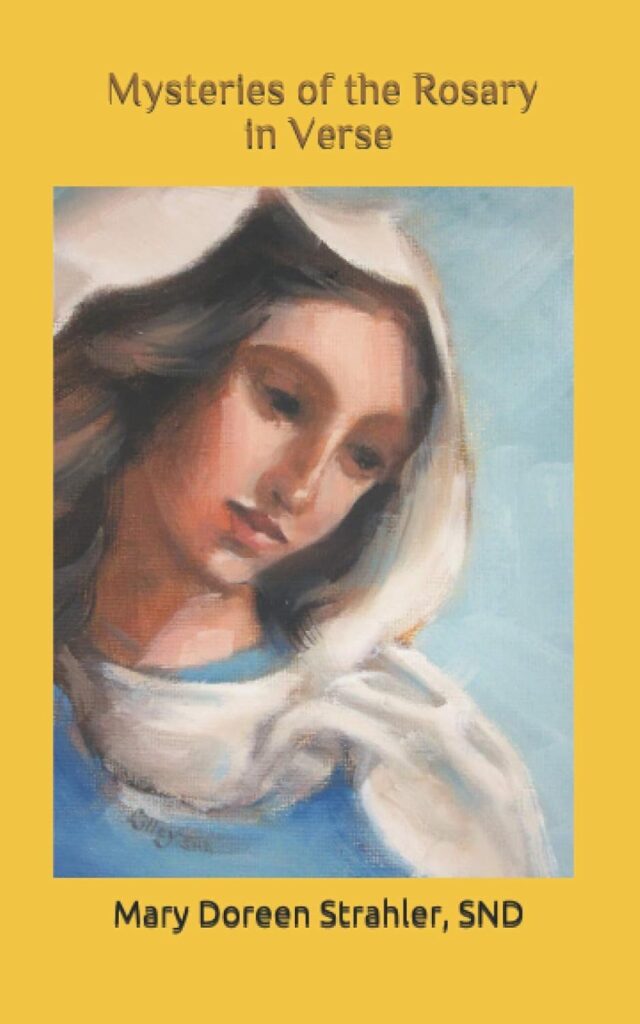
• Pray a scriptural rosary that presents the verses related to each mystery. These can be found on the Internet and in booklets such as Scriptural Rosaries in Verse by Mary Doreen Strahler, SND.

Different Kinds of Rosaries
Rosaries can be beautiful crystal ones or homemade. The rosary we Sisters used to wear at the side of our habits was large. Most of these had black plastic beads, but the prized ones were made of cherry wood.
Additionally, there are also single decade rosaries: ten-beaded bracelets. I have one made from crushed rose petals.
Rings and key chains with ten beads are available as well as cards with ten holes.
We can always pray the Rosary on our hands, which conveniently have ten fingers! This is how to pray while driving.

The largest rosary is at a shrine in Windsor, Ohio. It is made of foot-high lamps near the tallest statue of Our Lady of Guadalupe, which is 50-feet high.
A Rosary Workbook
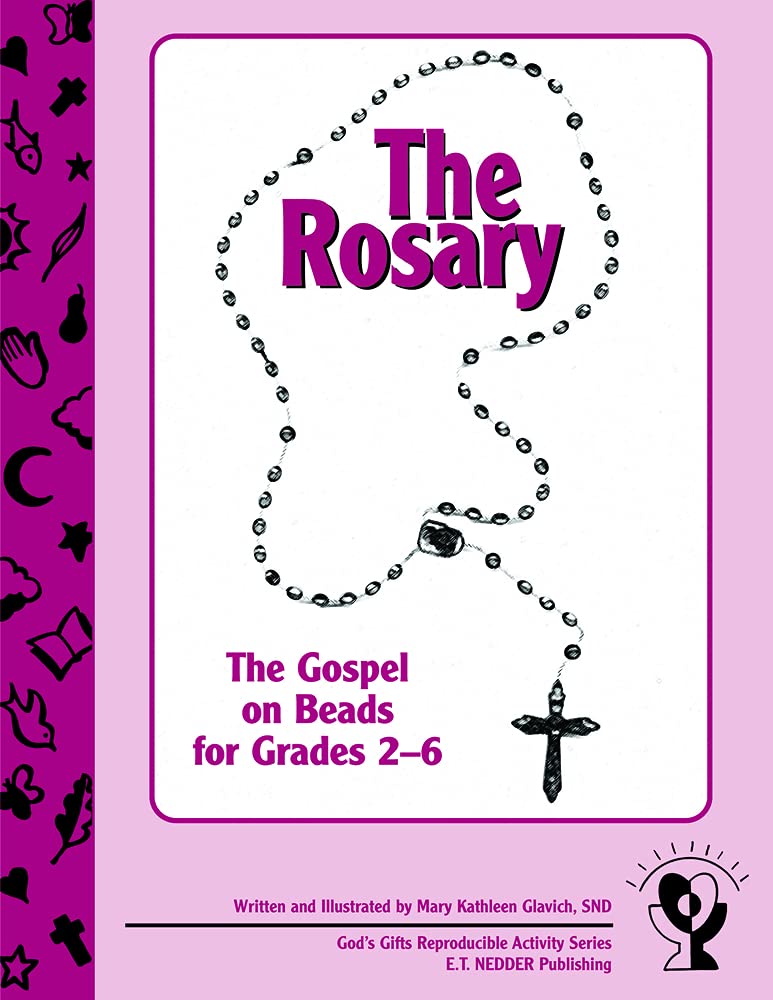
Years ago I wrote a workbook about the Rosary for children— The Rosary: The Gospel on Beads for Grades 2—6. It has explanations plus activities. I think there is only one left on Amazon, but if you would like a copy, contact me. I have several copies left.
Palm Sunday
I’m not forgetting that this Sunday is Passion (or Palm) Sunday. Here is a traditional hymn for the day:
• When do you pray the Rosary? Does it bring you comfort?
• Do you have a rosary that is special to you, for example, one you received when you made your First Communion?
Balancing Work, Caregiving, and Your Life: A Guide for Caregivers

A Guide for Caregiving
Harry Cline came to my rescue and provided this helpful blog on caregiving for me to use while I am away visiting my sister. As a caregiver for my mom for several years, I see the value of the following advice:
Caring for Yourself
Caring for an aging loved one while managing a career and personal responsibilities can feel overwhelming. The constant juggling act between professional duties, caregiving tasks, and self-care often leads to burnout if not managed properly. However, with the right strategies in place, you can maintain a sense of balance and prevent exhaustion. By implementing effective planning and support systems, you can fulfill your responsibilities without neglecting your own needs.
Establish a Realistic Schedule
A structured routine can help you manage the daily demands of caregiving without feeling scattered. Start by mapping out essential tasks, including work commitments, caregiving duties, and personal time. Use a planner or digital calendar to visualize your week and identify where you may need adjustments. Be realistic about what you can accomplish and avoid overloading your schedule. Allocating time intentionally ensures that every aspect of your life receives the attention it deserves.
Leverage Support Systems
No one should have to shoulder the burden of caregiving alone, and seeking help can make a significant difference. Reach out to family members, friends, or community organizations that offer respite care or assistance. Consider hiring professional caregivers for specific tasks to lighten your load. Support groups, both online and in-person, provide emotional encouragement and valuable resources. The more you involve others, the more manageable your responsibilities will feel.
Communicate Openly with Your Employer
Balancing work and caregiving is easier when your employer understands your situation. If possible, discuss flexible work arrangements such as remote work, adjusted hours, or taking advantage of family leave policies. Be proactive about managing deadlines and seeking solutions that align with both your job and caregiving duties. Keeping an open line of communication helps create a supportive work environment that accommodates your needs.
Boost Career Prospects with Online Education
Advancing your career while managing caregiving responsibilities can feel overwhelming, but earning an online degree offers the flexibility needed to succeed. With the ability to complete coursework on your schedule, you can continue providing care for your loved one without putting your education on hold. Notably, by earning an MSN degree for healthcare innovation, you open doors to career paths in nurse education, informatics, nurse administration, or advanced practice nursing options.
Prioritize Your Own Well-Being

Self-care is often the first thing to be neglected when juggling multiple responsibilities, but it’s essential for long-term sustainability. Schedule regular breaks, even if they are short, to recharge mentally and physically. Engage in activities that bring you joy, whether it’s reading, exercising, or spending time with friends. Taking care of yourself isn’t a luxury—it’s a necessity that enables you to be a better caregiver.
Make Use of Technology

Technology can help streamline both work and caregiving tasks, reducing stress and improving efficiency. Use reminder apps to keep track of medication schedules, doctor’s appointments, and daily tasks. Grocery and meal delivery services can save time on errands. Virtual doctor visits and telehealth options make medical care more accessible without requiring extra travel. Embracing digital tools allows you to manage responsibilities more effectively.
Set Healthy Boundaries
One of the biggest challenges for caregivers is learning to say “no” when necessary. Overcommitting can lead to exhaustion, resentment, and decreased effectiveness in all areas of life. Be clear about your limits and communicate them to both your family and workplace. If a request exceeds what you can realistically handle, explore alternatives rather than pushing yourself beyond capacity. Respecting your own boundaries ensures you can continue caregiving without sacrificing your well-being.
Find Moments of Joy and Gratitude
Despite the challenges, caregiving offers opportunities for meaningful connections and moments of joy. Take time to appreciate the small wins and the time you spend with your loved one. Reflecting on positive aspects of caregiving can shift your mindset and prevent burnout. Expressing gratitude, whether through journaling or simple reflection, can bring a sense of fulfillment even on tough days.
Caring for a senior while managing other aspects of life requires a thoughtful approach and practical strategies. By prioritizing self-care, setting boundaries, and utilizing available resources, you can create a more balanced and sustainable caregiving experience. The key is to acknowledge your limits and take proactive steps to support your own well-being while continuing to provide the care your loved one needs.
Discover the inspiring works of Sister Kathleen Glavich and explore a treasure trove of Catholic wisdom and spirituality.
• Have you ever been a caregiver? If so, how did you manage to stay healthy yourself?
• Have you benefited from a caregiver? What especially did you like about her or him?
How to Stop Worrying

Not to Worry: A Helpful Site
Last week my blog was about worry. Since then I discovered on Facebook a site by therapist Dr. Sarah Allen that gives excellent advice for banishing worry. I’m taking advantage of her post this week. It was a godsend to me, for I’m flying to Florida Thursday to visit my sister. So I’m busy packing and finding summer clothes that still fit!
Here is the link to Dr. Allen’s post about ways not to worry:
https://drsarahallen.com/10-hacks-to-reduce-anxiety-and-worrying/
“Don’t Worry, Be Happy” Official Video
• What makes you happy?
Worry Is Useless. Trust God.
My History of Worrying
Worry is useless, but I’m an inveterate worrier. One of my earliest memories is my first-grade teacher calling me a worrywart. Since to me that was like warthog, I thought it was a horrible name. Probably worrying turned me into a nail biter. My mom did her best to cure me, even telling me if I swallowed a fingernail it would turn into a worm in my stomach! I quit the habit, but worry can still make me waste hours at night tossing and turning.
Ill Effects of Worrying
Worry has some negative consequences. It harms our physical and mental health. It causes depression, fatigue, digestive issues, headaches, and muscle tension. Stress hormones affect the heart, blood vessels, and other systems. Worry causes problems with appetite, sleep, relationships and job performance. Extreme anxiety may lead to overeating, weight gain, problems with memory and concentration, smoking, or alcohol and drug use. It can cause ulcers and a heart attack.
Quotations about Worrying
Here is what wise people said about worrying:
“Worrying is carrying tomorrow’s load with today’s strength—carrying two days at once. Worry doesn’t empty tomorrow of its sorrow. It empties today of its strength.” —Corrie Ten Boom
“I am an old man have known a great many troubles, but most of them never happened.” —Mark Twain
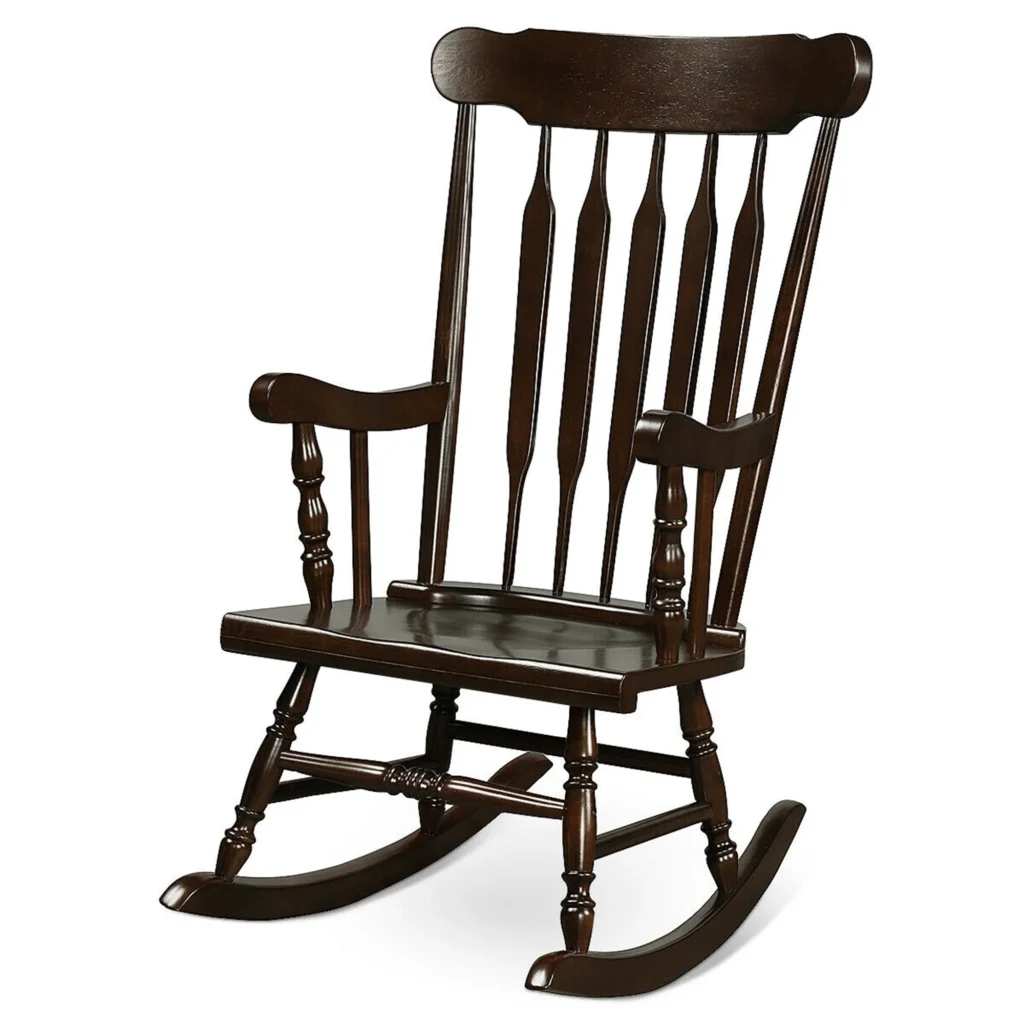
“Worry is like a rocking chair. It gives you something to do but never gets you anywhere.” —Erma Bombeck
“Do not worry about whether or not the sun will rise. Be prepared to enjoy it.” —Pearl Bailey
“A great many worries can be diminished by realizing the unimportance of the matter which is causing anxiety.” —Bertrand Russell
“Do you remember the things you were worrying about a year ago? … Didn’t most of them turn out all right after all? “ —Dale Carnegie
“Worrying is like paying on a debt that my never come due. “ —Will Rogers
“Do not worry about tomorrow, for tomorrow will bring worries its own. Today’s trouble is enough for today” (Matt. 6:34). —Jesus Christ.
How to Quell Worrying
Exercise, eat right foods, meditate.
Keep a journal.
Relax through yoga, deep breathing, massage.
Record good things in your journal.
Talk with family and friends.
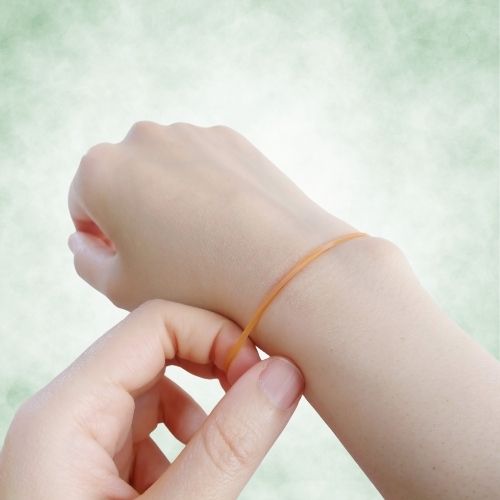
Put a rubber band on your wrist and pop it when you go into a worry mode.
Trusting in God to Lessen Worrying
You may be watching the amazing ten-part series The Americas narrated by Tom Hanks. It’s Sunday evenings on channel 3. Accompanied by stunning videos made with the help of drones, Hanks tells the stories of the lands, animals, birds, and insects in America. What impressed me is the care God took in designing everything, for example, the instinct that compels monarch butterflies to fly south. God’s providence is nothing less than fantastic.

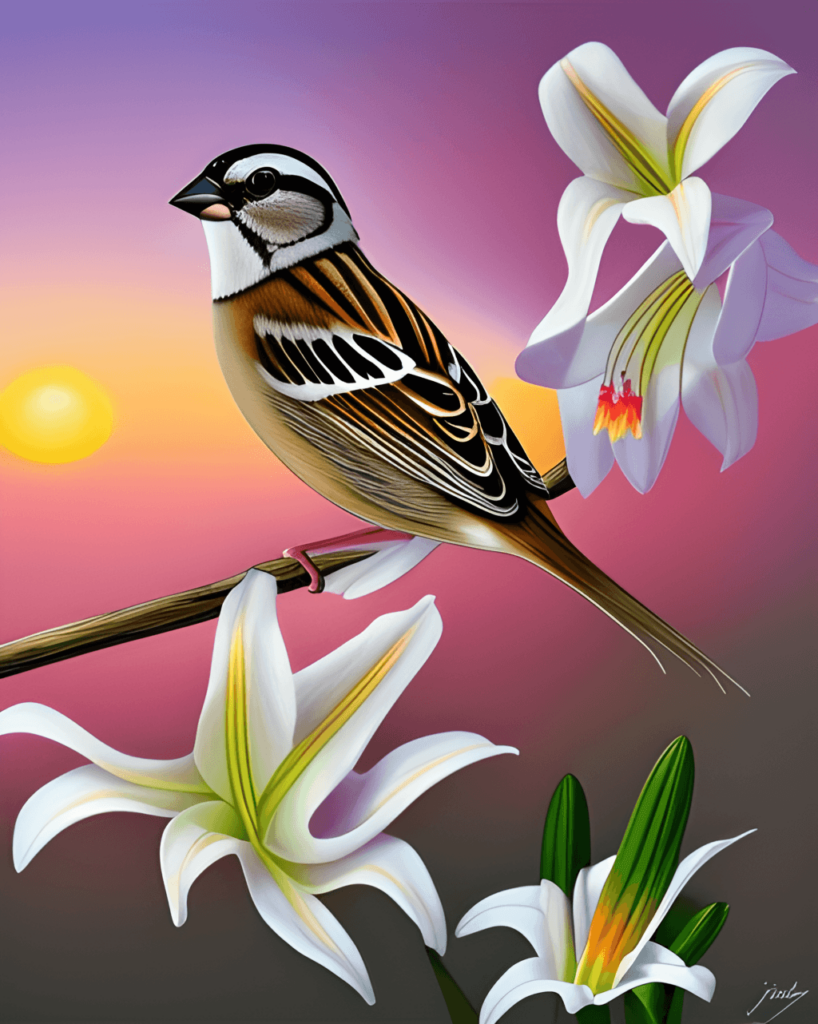
Jesus employed the physical world in his lesson on trust. He said, “Do not worry about your life” and then pointed out that birds don’t work, but our heavenly Father feeds them. Lilies don’t work either, but God clothes them elegantly. Jesus asks, “Can worrying add a single hour to your lifespan?”
Henry Ford had the right idea. He said, “With God in charge, I believe everything will work out for the best in the end. So what is there to worry about?”
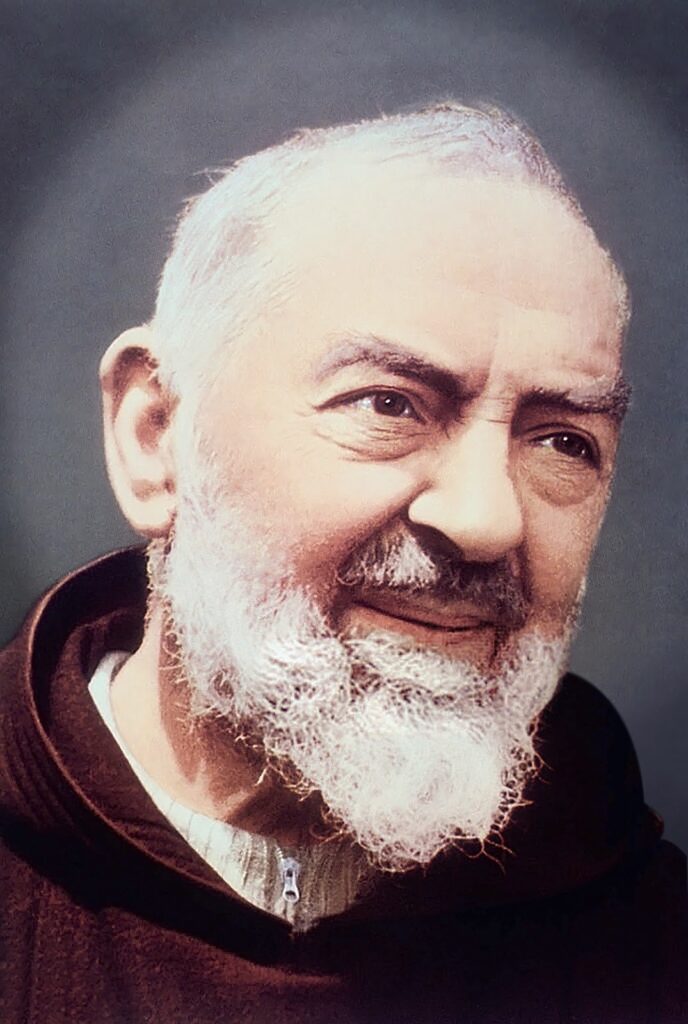
So take Saint Padre Pio of Pietrelcino’s advice: “Pray, hope, and don’t worry.”
Here is a song about trusting in God:
• When has something you worried about not happened after all?
• How do you combat worry?
Special Devotions Enrich Spirituality: Saints Knew This

Devotions of the Saints
Special devotions are important. In the process of writing my next book, I came across this quotation from Saint Peter Julian Eymard, “Try to have a favorite topic of prayer, such as a devotion to the passion of Jesus, the Blessed Sacrament, awareness of the divine presence.”
Saint Peter Julian Eymard himself was devoted to the Blessed Sacrament, as shown by his founding the Congregation of the Blessed Sacrament for men and the Servants of the Blessed Sacrament for women. Many other Saints are known for favorite devotions. Some might be familiar; others, new to you:
• Saint Margaret Mary Alacoque loved the Sacred Heart of Jesus and promoted devotion to it as Jesus directed her in visions. Thanks to her, we have the practice of receiving Communion on the First Fridays of the months. She also promoted having the Feast of the Sacred Heart.
• Saint Alphonsus Liguori was devoted to the Blessed Virgin Mary. He exhorted others to pray to her, prayed the Rosary every day, and wrote the classic book The Glories of Mary.
• Saint Paul of the Cross was devoted to Christ’s Passion and founded the Congregation of the Passion of Jesus Christ.
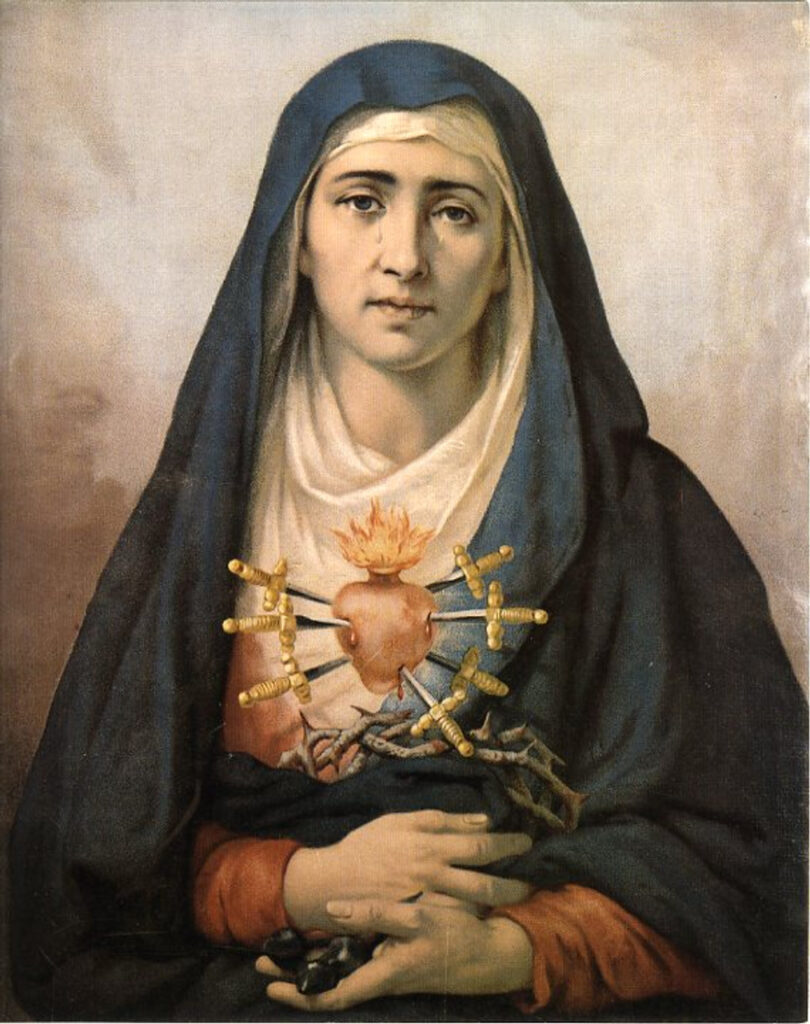
• Saint Gabriel of Our Lady of Sorrows had deep devotion to the Seven Sorrows of Mary and meditated on it every day.
• Saint Faustina Kowalska had a special devotion to the Child Jesus.
• Saint Bernardine of Siena spread devotion to the Holy Name of Jesus. He introduced the monogram IHS, from the Greek word for Jesus, and composed the Litany of the Holy Name of Jesus.
• Saint Catherine of Siena’s central devotion was the most precious blood of Jesus. In fact, her dying words were “the Blood, the Blood.”
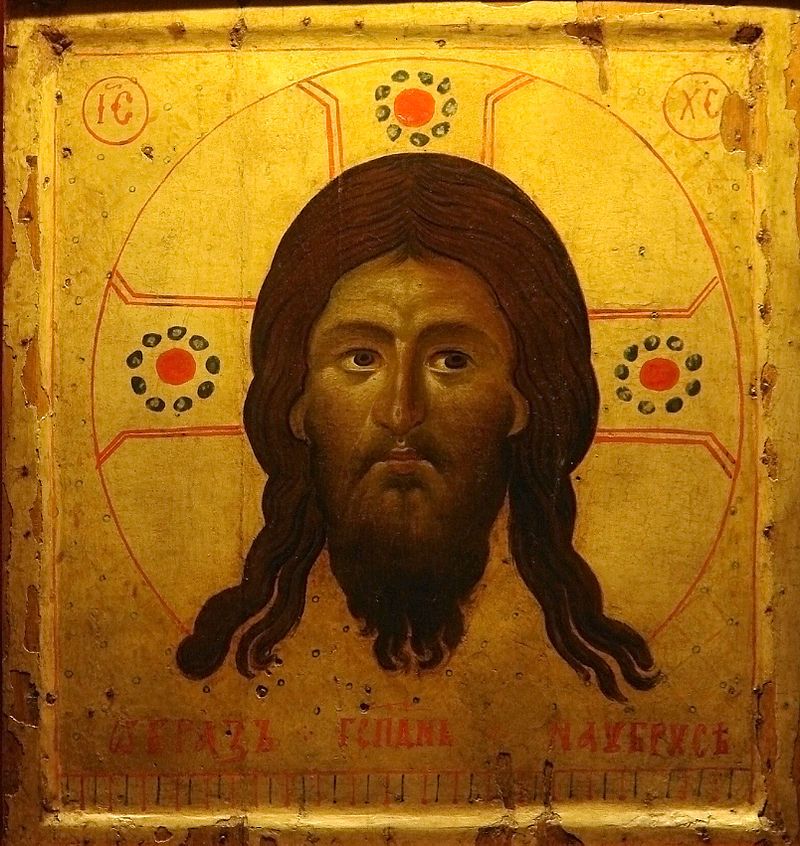
• Saint Thérèse of Lisieux favored the Holy Face. Her full religious name was Saint Thérèse of the Child Jesus and the Holy Face. Interestingly, as a child St. Julie Billiart and her sister went to Laon seeking a cure for their poor eyesight through the miraculous image of the Holy Face there. Both girls were healed.
• Saint Elizabeth of the Trinity naturally was devoted to the Trinity. She wrote a beautiful prayer to the Three Persons.
• Saint John Massias is known as “Helper of the Poor Souls” because of his constant prayers for them. Every night he prayed three rosaries for them on his knees.
• Blessed Elena Guerra is close to being proclaimed a saint is known as “an apostle of the Holy Spirit. She prompted Pope Leo to urge Catholics to pray to the Holy Spirit, which he did, including in an encyclical, Divinum Illud Munus.
Devotion to Saints
(Clicking on the blue heading above will take you to an earlier post about patron saints.)
You might have a devotion to a particular saint like your baptismal patron saint, the one your church is named for, or one that corresponds to your special interest—like St. Francis of Assisi if you are concerned about the environment.
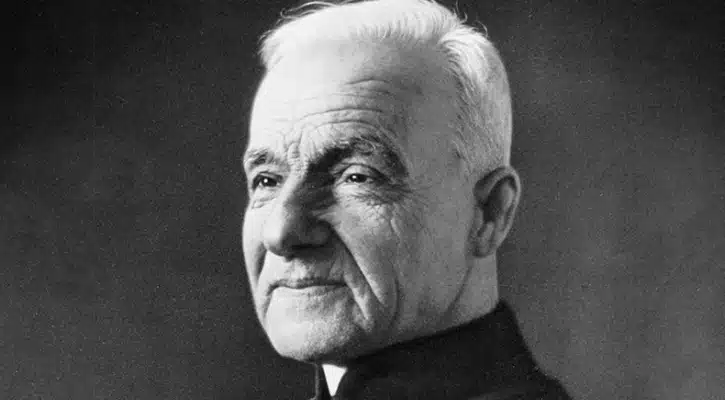
Saint André Bessette had a passionate, lifelong devotion to Saint Joseph. He kept a small statue of him on his windowsill. As a brother in the Congregation of the Holy Cross, he managed to raise enough money to build a chapel in honor of St. Joseph, but he dreamed of a basilica, which became a reality, St. Joseph Oratory in Montreal. Brother was known for miraculous healings. (The brother-in-law of one of our Sisters was named for him after the man’s mother was cured.) When people attributed a cure to Brother André, he always said, “I do not cure.”
I have special devotion to two women saints: Saint Catherine of Siena, who is my patron saint, and Saint Julie Billiart, who founded the original Sisters of Notre Dame.
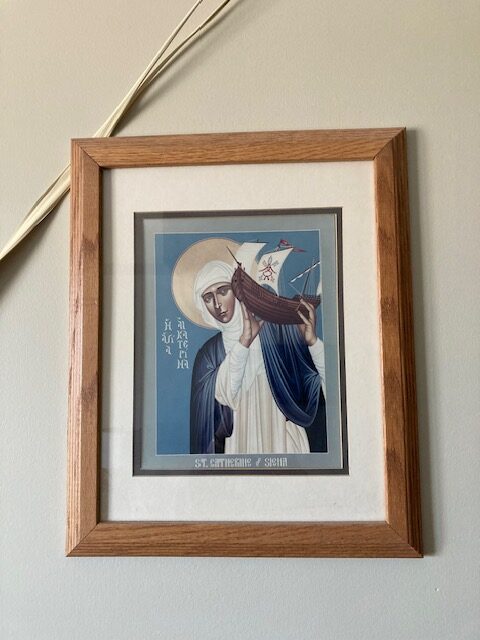

In my home this picture of St. Catherine is on the wall.
A few years ago I wrote a novel about our Mother Julie, which was translated into Portuguese and distributed by our Sisters in Brazil to celebrate their anniversary.
One of our Sisters was enamored with Saint Pio of Pietrocino (Padre Pio). She must be happy he was declared a Saint. Our Sister Cupertino was a great fan of St. Joseph Cupertino. Every year on his feastday she would put together a display about him.
Your Devotion?
If you don’t have a focus enriching your spiritual life, why not adopt one? You might find prayers related to your special devotion or compose one, display pictures of your devotion in your home, or visit churches named for it.
• What special devotion do you have…or would like to foster?
• Who do you know that has a special devotion?