
Providentially, Scott Sanders offered to provide a guest blog post to cover one of the weeks I will be in Africa. I hope you find it helpful.
Busy parents, parish volunteers, and professionals carrying family responsibilities often work hard to live their faith while running low on emotional bandwidth. The tension is real. Prayer and Sunday Mass can feel steady; yet anxiety, irritability, and fatigue still spill into decisions and relationships. Mental wellness and everyday emotional wellness deserve the same ordinary attention given to meals, sleep, and work. This is because mental strain can distort how grace is received and shared. With thoughtful, faith-based self-care and Catholic lifestyle integration, it becomes easier to seek mental health support without guilt or confusion.
Understanding Faith-Compatible Wellness
Spirituality and mental health work best as partners, not competitors. A simple rule helps. Choose practices that support your dignity, freedom, and love of God and neighbor, and skip anything that replaces prayer, the sacraments, or conscience. Christian prayer stays central because pray to know Jesus frames wellness as relationship, not self-fixation.
This matters because many popular trends promise calm but leave you more scrambled or spiritually uneasy. The wellness market is valued at $1.5 trillion. It is normal to feel pressured to keep up and wonder if you missed the “right” method.
Picture a parent who prays daily but also uses breathwork, a short walk, or cold water on the face. Those habits are like setting the table so grace can be received with less noise and reactivity. That same principle can guide low-effort support through reflective, story-based listening.

Use Reflective Reading or Podcast Listening to Steady Your Day
When faith-compatible wellness meets real life, it helps to have support you can carry into the ordinary moments of your day. Listening to podcasts or reading reflections can be a gentle, low-effort way to support everyday mental and emotional wellness. Educational and inspirational episodes and written reflections often offer encouragement, fresh perspective, and a sense of connection. This is especially true when you hear real stories from people who have faced setbacks, pursued personal growth, or reached meaningful goals. That kind of story-based companionship can soften feelings of isolation, reminding you that struggle and progress are part of being human.
Over time, positive content can also provide motivation and practical insights that help you keep a healthier mindset. If you want a story-driven example centered on perseverance and growth, you can keep this one handy for days when you need a steadier inner voice.
Try 7 Offbeat, Faith-Friendly Ways to Feel More Grounded
When your mind feels noisy, it helps to have a “menu” of small practices you can reach for, especially ones that fit Catholic rhythms of prayer, service, and community. Mix one or two of these into your daily routine.
1. Try “forest bathing” for 20 minutes: Walk slowly under trees and treat it like a Creation-focused examen: notice light, wind, scent, and color. Then name one gratitude and one worry to hand to God. Forest bathing benefits often come from lowering sensory overload and giving your attention one gentle place to rest. If you can’t get to a park, do a “micro-version” on a tree-lined block and stop for three deep breaths at every crosswalk.
2. Practice birdwatching mindfulness with one simple prompt: Stand still for 5–10 minutes and listen for three distinct bird calls; then look for the bird that made each sound. Birding naturally increases mindfulness and presence because you have to pay attention to small movements and patterns. To make it faith-friendly, close with one line of praise, “Lord, how diverse Your works are!” and move on with your day.
3. Use pet companionship as a “loneliness interrupt”: If you have a pet, schedule two short “connection breaks” daily: 5 minutes of play or brushing in the morning, and a 10-minute walk or cuddle in the evening. Pet companionship supports mental health by giving your body a calming touch, predictable routine, and a sense of being needed. If you don’t own a pet, ask a neighbor if you can occasionally walk their dog or visit a friend’s cat.
4. Do faith-aligned art therapy with a low-pressure project: Set a timer for 15 minutes and sketch, collage, or color one spiritual theme: hands in prayer, a storm and a lighthouse, the Sacred Heart, or a saint’s symbol. The “therapy” part is the process. Label the emotion you’re carrying, then choose colors or shapes that match it, without judging the result. Finish with a simple offering: “Jesus, I give You what’s on this page.”
5. Try tai chi for mental wellness after listening to or reading something reflective: Right after, do 6 minutes of gentle flow: slow weight shifts, shoulder circles, and “cloud hands” (hands floating side-to-side with soft knees). Tai chi for mental wellness can help by downshifting the stress response and reconnecting mind and body through steady, non-competitive movement. Keep it simple: if you can breathe and move slowly, you can start.
6. Choose one “hidden” volunteering activity. Volunteering and emotional health often connect through purpose and belonging, but it needs to be sustainable. Pick one small role for 4–8 weeks. Write one encouraging note weekly to a homebound parishioner, help set up chairs once a month, or bring an extra bag of groceries to the parish pantry. If you tend toward burnout, choose “behind-the-scenes” service over high-emotion roles.
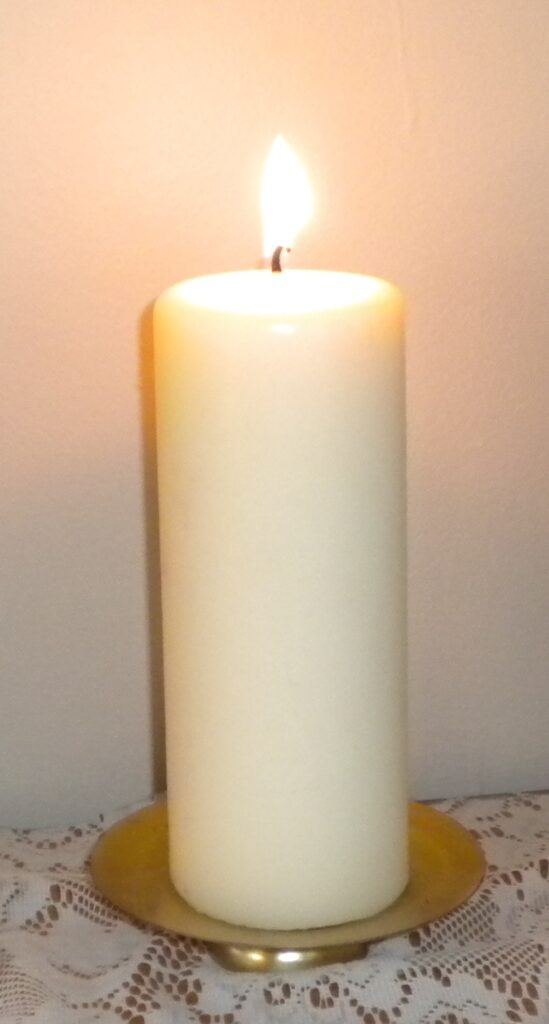
7. Make a candle-and-breath ritual your transition between roles: When you move from work to family time, or from parenting to prayer, light a candle. For 2 minutes, inhale for 4 counts, exhale for 6, and name the role you’re entering. This is a concrete way to “close the mental tabs” the same way reflective listening helps you focus a wandering mind. Pair it with one sentence from Scripture or the day’s saint.
Common Questions about Wellness Habits
Q: What if these practices make me feel scrupulous or like I’m “doing it wrong”?
A: Keep the goal simple: peace, gratitude, and steadier love of God and neighbor. If a practice spikes anxiety or perfectionism, shrink it to one minute and use a gentle closing prayer like “Jesus, I trust You.” When scruples persist, bring it to confession or spiritual direction and ask for one clear boundary.
Q: How can I schedule mental wellness when my day is already packed?
A: Treat it like hygiene, not a project: attach one small habit to something you already do, such as after coffee or before bed. Many people are already doing pieces of this since self-care activities often include movement and connection, so you may only need a structure and a timer.
Q: Can I do these even if I’m not “into mindfulness”?
A: Yes. Choose a concrete focus like noticing one sound, one color, or one Scripture phrase, then stop. The point is attention with reverence, not an empty mind.
Q: Which options fit introverts, extroverts, or people who burn out easily?
A: Introverts often do best with quiet, sensory practices and low-pressure creativity. Extroverts usually benefit from brief social connection or small acts of service. If you burn out, pick predictable, low-emotion commitments and protect your rest.
Q: Should I replace therapy or medication with prayer and these habits?
A: No. Faith and treatment can work together, and many people find better mental health alongside consistent spiritual practice. If symptoms are intense or worsening, talk to a licensed clinician and keep your spiritual support in place.
Build Steady Wellness Through One Small Weekly Practice
When life feels full, it’s easy to want better mental and emotional health yet struggle to keep anything consistent without scruples or burnout. The way forward is integrating wellness into daily life through prayer-adjacent routines and a consistent mental health practice. Over time, motivating faith-based self-care like this makes room for calmer reactions, clearer thinking, and a steadier sense of God’s nearness in ordinary stress. Pick one simple practice and let it become a gentle habit.
What do you do to stay mentally healthy?
Which one or two suggestions here are you included to adopt?
For those who are unfamiliar with Tai Chi (like me), here is an instructional video. It’s excellent, but you need to endure ads by Huston and Vonn every couple minutes!