
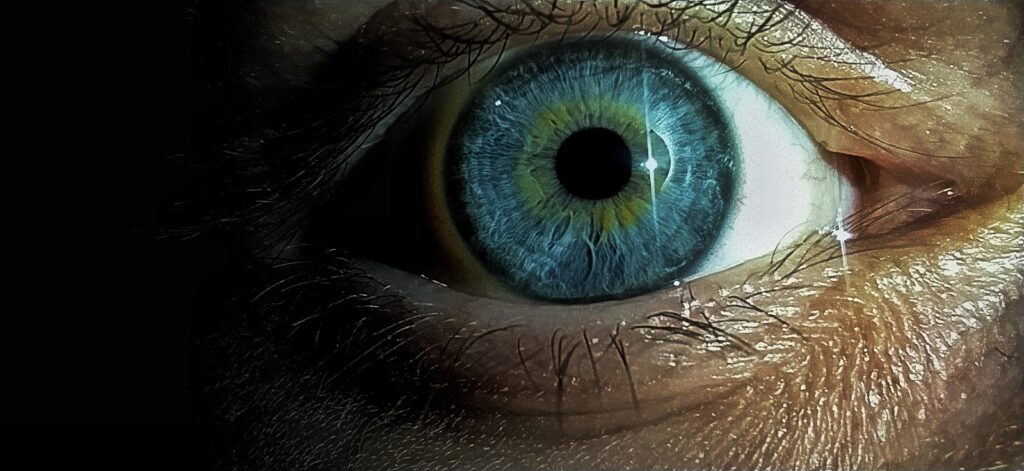
Our Two Eyes
Eyes are precious gifts that we seldom pay attention to unless something gets into them. Recently I visited an optometrist and now have a new pair of glasses. This has focused (!) my mind on eyes as a topic for this blog.
Our eyes are one of God’s intricate and amazing creations.
Your eyes let you be aware of the world around you. They perceive depth and color. Light is a requirement for them to work, as you know if you’ve ever stumbled over something in the dark.
Structure of Eyes
A little research revealed these facts:
The cornea protects your eye and bends light entering it.
The sclera is the white part, which is covered by the thin conjunctiva.
The aqueous humor is fluid that helps keep the eye’s shape.
The iris, which is colored, has muscles that control the pupil.
The black pupil controls how much light enters your eye.
The lens focuses the light and directs it to the back of your eye.
The vitreous is the fluid between the lens and retina.
The retina is the layer of cells at the back of your eyes that converts light into electrical signals. It contains rods that help you see in dim light and cones, which help you see colors. The macula in the retina lets you see details.
The optic nerve carries signals to points of your brain.
Other Eye-Opening Facts
Now if that isn’t complex enough, features of our face contribute to the eye’s protection. Eyelids wipe the eye and spread tears to prevent dehydration. Eyelashes protect the eye from fine particles. In addition, eyebrows keep sweat and debris from falling into the eye socket.
Human eyes only take in a field of 200 degrees wide, although teachers presumably have eyes in the back of their heads.
Eyes of animals and insects vary enormously depending on their environment and lifestyle. Many have better vision than we have. Eagles can spot a rabbit running three miles away. Flies have 360 degree vision. Some animals see more colors than we do and can even see ultraviolet.
God’s Eyes
As a pure Spirit, God has no physical eyes, however, he “sees” all. In other words, God is omniscient, all-knowing. “His eyes are upon the ways of mortals, and he sees all their steps” (Job 34:21). “The eyes of the Lord are in every place, keeping watch on the evil and good” (Proverbs 15:3).
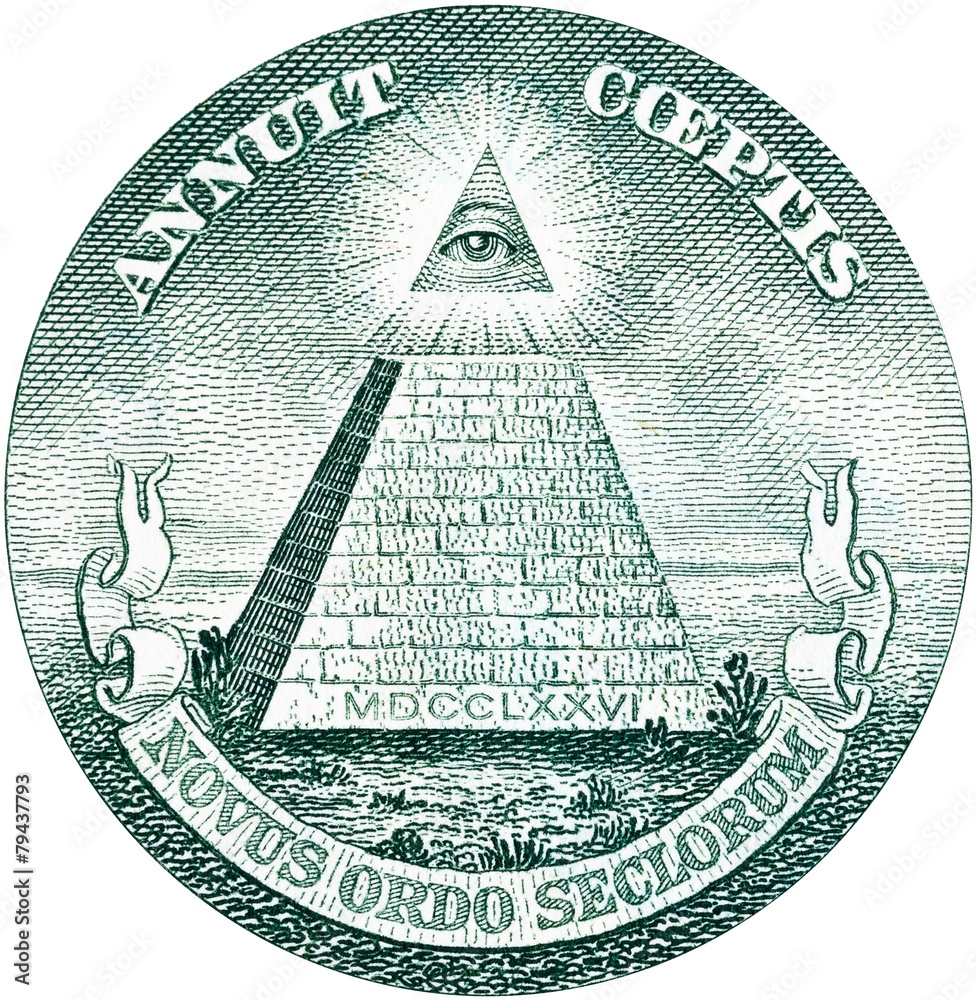
Art represents this by the Eye of God, a large eye within a triangle, symbol of the Trinity. This depiction is also called the Eye of Providence.
A little boy was afraid to be in church because of a large stained-glass window showing this Eye of God. But then his teacher explained, “That doesn’t mean that God is watching you to catch you doing something wrong. It means that God loves you so much he can’t take his eyes off you!”
The eye of God appears in the seal of the United States and on the back of one-dollar bills.

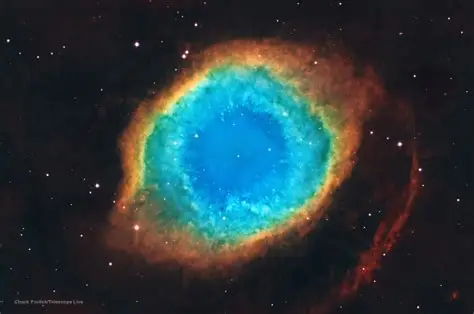
The stunning nebula closest to the earth is Eye of God. You can see why.
The Ojo de Dios has roots in indigenous peoples. Today it’s a craft for children.

The Eyes of Jesus
When God became man, he was able to see with human eyes. Jesus first saw the face of Mary, his mother. Then he took in the beauties of creation: the starry sky, Sea of Galilee, Mount Hermon, fields of wheat. He could read Scripture. Most of all, Jesus was laser-focused on the poor, marginalized, and vulnerable. He cured the blind like Bartimaeus, the man cured with mud, and the man blind from birth. He attempted to cure the blindness of the Pharisees, but they resisted.
We can only claim 20/20 vision when we notice people in need. Hopefully, your life will culminate in the Beatific Vision, beholding God face to face.
Thanksgiving is drawing near. You might remember to thank God for your sight.
Myth of Argus
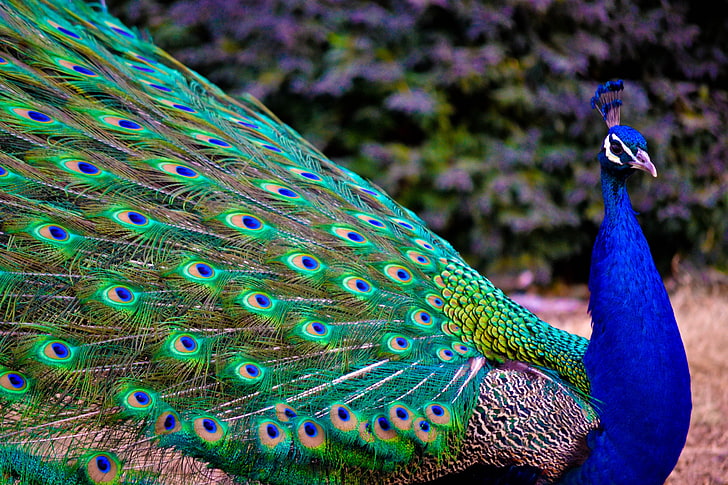
In mythology, Argus had a hundred eyes, and so, like God, he was all-seeing. When Argus slept, a few eyes always remained open. The goddess Hera, Zeus’s wife, had him guard Io (one of Zeus’s loves in the form of a white heifer). While Argus was on duty, Hermes killed him. To immortalize Argus, Hera had his eyes placed in a peacock’s tail.
What is the most beautiful sight you ever saw?
Here is a Gospel favorite:






2 Responses
The most beautiful sight I have seen, was the first time I saw my grandniece Matilda. She turned 7 months on the 5th of November.
How sweet!