Conquering the Vocation Crisis

It’s no secret that the number of priests and consecrated religious in the Catholic Church is in free fall. A sad 20% of parishes have no resident pastor. Today there are about a quarter of the religious sisters that there were in the 1960s. The words of Jesus can hardly be more relevant: “The harvest is abundant, but the laborers are few” (Luke 10:2). His remedy to this dearth: “Ask the Lord of the harvest to send out laborers.” In other words, pray for vocations. I confess that seldom have I explicitly prayed for this intention in my personal prayers. Thank goodness it was one of our Mass intentions yesterday!
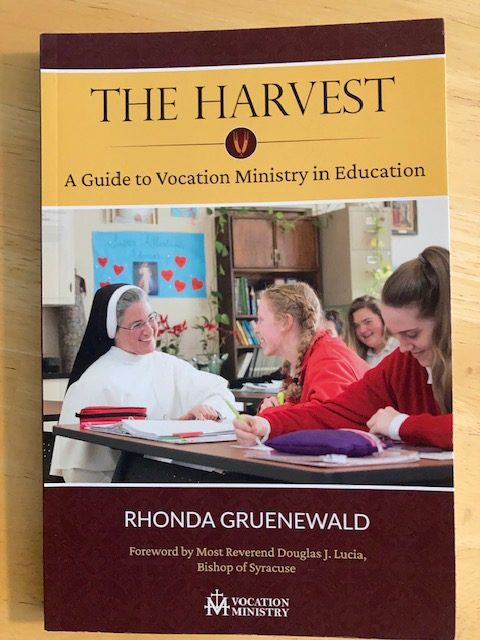
But we can do more than pray. I’ve just read the book The Harvest: A Guide to Vocation Ministry in Education by Rhonda Gruenewald. In it she offers a slew of vocation-based activities to inform people about vocations and perhaps spark in the heart of a youth a desire to become a priest or sister. A friend of mine decided to become a sister in the second grade!
One solid way Gruenewald suggests for promoting vocations is to establish a vocation committee in the school or parish. She provides detailed directions for how to go about doing this. This committee then plans and carries out projects. Some of these I was familiar with as a vocation director for the SNDs and for the Cleveland diocese.
In my opinion the most effective way to plant the seed of a religious vocation is to arrange for youth to encounter priests and religious brothers and sisters. My own vocation took root at the age of twelve when for the first time I was taught by a Sister of Notre Dame. Her joy bubbled over and attracted me; she even made math fun. I wanted to be like her. Planning for priests and religious to come and give talks and taking students to visit monasteries and convents are effective ways to stir an interest in their states of life. A panel representing different vocations can prompt children to consider one they never thought of before. Families with children might invite Father or Sister to dinner.
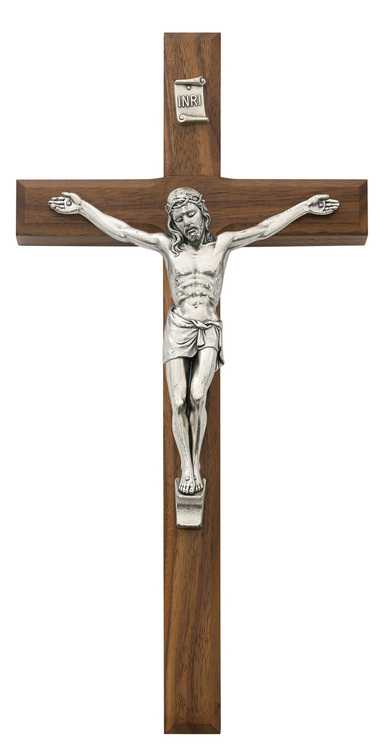
An activity that our diocese carried out and that Gruenewald recommends is a traveling cross with a prayer for vocations. It is passed from family to family, and the one that houses the cross prays the prayer together for a day or a week. The cross can be passed on after a specified Mass.
One strategy to increase vocations that we might hesitate to do: mentioning to a young man that he has the makings of a good priest and suggesting to a girl that she consider becoming a sister. A wonderful young person might not think they have the qualities for such a role in the Church. Seminaries and religious communities hold “Come and See” days and weekends. Why not encourage a promising teen or young adult to attend one of these? Your diocesan vocation office can provide information.
When I confided to a priest that I was thinking of becoming a sister, he suggested that I read the autobiography of St. Therese of Lisieux, The Story of a Soul. Other reading materials might steer a youth toward life as a priest or sister, for example, the lives of other saints. A magazine called Vision includes pertinent articles as well as information about religious communities.
Here are days that are prime opportunities to focus on fostering vocations:
February 2 World Day for Consecrated Life
May 7 World Day of Prayer for Vocations
June 18 World Priest Day
November 5–11 National Vocation Awareness Week
- Do you know someone who might be receiving a special call from the Lord of the harvest? What can you do about it?
Loyalty and Faithfulness: Ruth, Naomi, God
http://bitly.ws/fSH4
Immigration, infertility, fidelity, and catastrophes that make one question God—all these are threads woven through the tale of Ruth. They make this book in Scripture (God’s word to us) a book for today.
The following words of commitment are incorporated in some wedding ceremonies: “Wherever you go, I will go; where you will lodge, I will lodge; your people shall be my people, and your God, my God. Where you die, I will die—there will I be buried.” They are taken from the Book of Ruth. If you are familiar with this short book, you know that Ruth declares these words not to either of her husbands, but to her mother-in-law, Naomi!
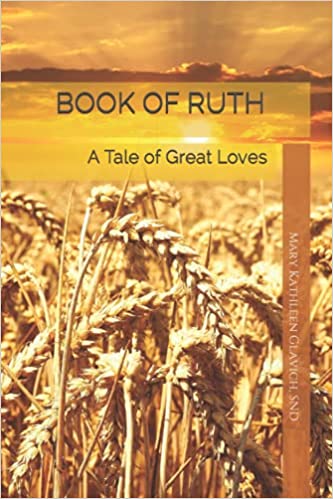
I’ve always loved the story of Ruth and for some time desired to write her story as a novel. Finally, it is now published. The barely four pages in the Bible are lengthened to 253 pages.
Why this story? During a famine in Bethlehem, Naomi’s family were refugees in the neighboring country of Moab. There her husband and two sons died. Ruth, a Moabite, was married to one of them (even though she is a Gentile who worshipped pagan gods). When Naomi wishes to return to her hometown, Ruth voluntarily accompanies her. She too becomes an immigrant. Both women experience prejudice, especially because their countries have been foes. Their story is relevant today when so many immigrants are suffering.
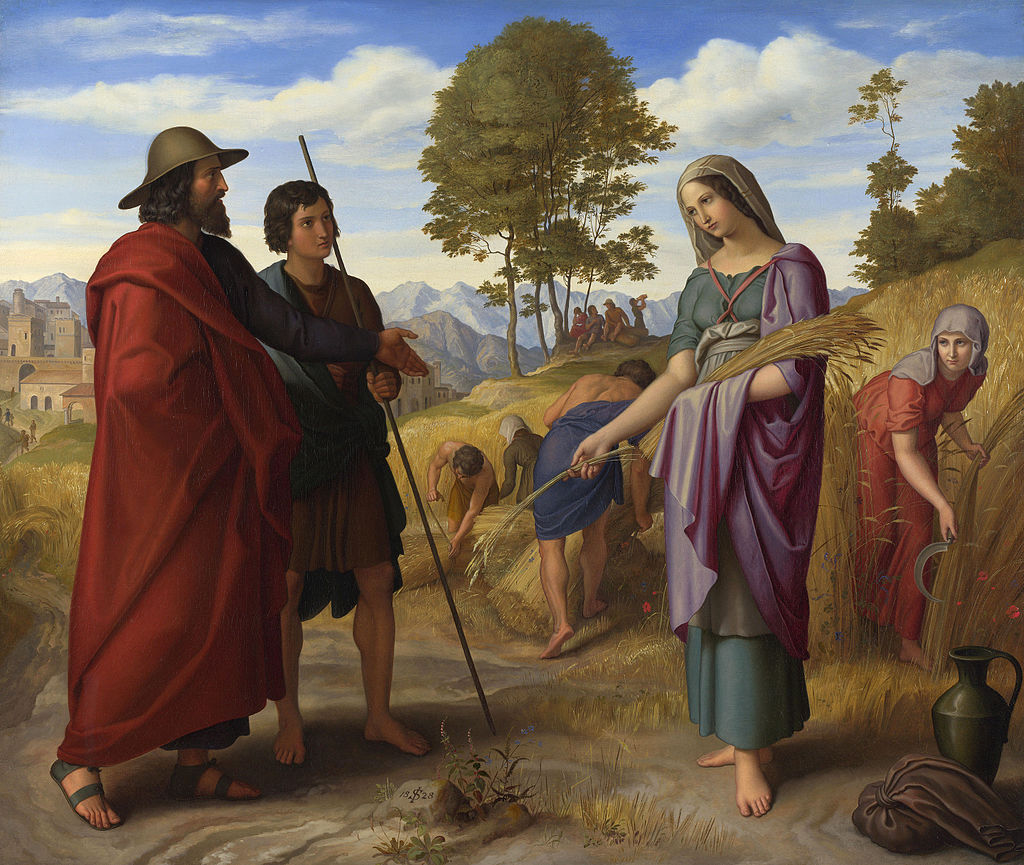
In Bethlehem, with no man to support them, Ruth and Naomi are in the worst state possible: destitute widows. Ruth’s love for Naomi spurs her to choose this fate. The other daughter-in-law, a foil to Ruth, decides not to leave Moab, where she has a chance to marry again. In Bethlehem, Ruth gleans in the fields with other poor people to support her and Naomi—no easy task. Who doesn’t know someone who sacrifices their life for the sake of a loved one? Maybe you are one of them:
• A man or woman faithfully cares for a spouse who has an incurable disease.
• A mother devotes herself to a disabled or mentally ill child, sometimes for decades.
• Then there are those who risk their lives for fellow human beings: first responders, doctors and nurses.
A friend might do something tremendous that demonstrates love for for his or her friend.Someone might even help a stranger. Recently at a cross country race in race in Spain, Ivan Anaya from Spain was near the finish line. He noticed that Abel Mutai, a Kenyan in the lead, slowed because the signs confused him. Ivan slowed too and pointed Abel in the right direction instead of forging past him to win the race. He let Abel win the race.
Naomi is a female Job. After losing her husband and sons, she is devastated. She says, “Call me Bitter.” Naturally she wonders why God has allowed this to happen to her. Likewise, Ruth can’t understand why for ten long years while married to Naomi’s son she has not become pregnant.
But God, whose love is everlasting, has not forsaken these two women. Spoil alert: Boaz, a noble Moabite landowner, rescues them by marrying Ruth.
Ruth is rewarded for her faithful love. She becomes the great grandmother of King David and therefore has a place in the family tree of Jesus. In the Gospel of Matthew she is one of three women (all Gentiles) included in the Savior’s genealogy.
If you have never read the Book of Ruth, or if it’s been a while since you did so, you might read my novel: Book of Ruth, A Tale of Great Loves (available on Amazon) Better still, read the four-page story in your Bible and pay attention to what God is saying to you.
Inspired, Empowered by the Holy Spirit
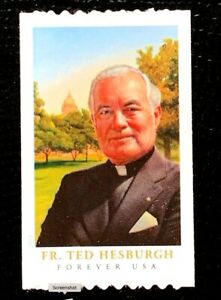
Fr. Theodore Hesburgh, CSC, was the President of Notre Dame University for 35 years. He was also involved in myriad government, international, and Church projects. One day someone asked him, “So, how’d you do it all?” Fr. Hesburgh replied, “Every morning, I pray, ‘Come, Holy Spirit’ … and away we go.”
I love that story. As a habit I pray the Morning Offering and three Hail Marys to begin each day, but I never thought of calling on the Holy Spirit at that time. It makes sense, especially after writing my book The Holy Spirit: Font of Love, Life, and Power. Moreover, when I look over my life, I must acknowledge that this “forgotten” member of the Trinity has played an important role in it. Ever since my baptism the Holy Spirit has dwelt in my soul, nudging me to act. Why else would a public school kid like me whose parents didn’t go to church decide to be a Sister of Notre Dame?
I see the Holy Spirit’s finger in my life over and over, giving me a push in the right direction. One day as I walked down the street, I met a neighbor working on her lawn. As we spoke, I learned that her baby boy had died earlier that year. She didn’t know anyone on the street, so no one had brought her a casserole or offered condolences. On the spur of the moment I said, “Let’s have a picnic in my backyard for everyone on the street so we all get to know one another.” Hosting that picnic was probably one of the the best things I ever did. Most recently, I “happened” to go to a room for no reason. There someone was in great distress, and I was able to give her some comfort and support.
To me, one of the most striking signs of the Holy Spirit at work in my life, is my book Heart to Heart with Mary: Yearly Reflections. Numerous people have told me how surprising and uncanny it is to find that the reflection for the day matches a circumstance in their life. I can identify with them: On the day of a piano recital, I performed every one of my five classical pieces badly before 170 people. As I passed another musician, he remarked, “Nice try.” (The evening before when I practiced, the pieces had been almost flawless!) The title of the reflection for the day of the disaster was “Dealing with Failure”! Whenever someone tells me what that book means to them, I always credit the Holy Spirit as the co-author, if you will, a “ghost” writer. It’s almost as though that book wrote itself.
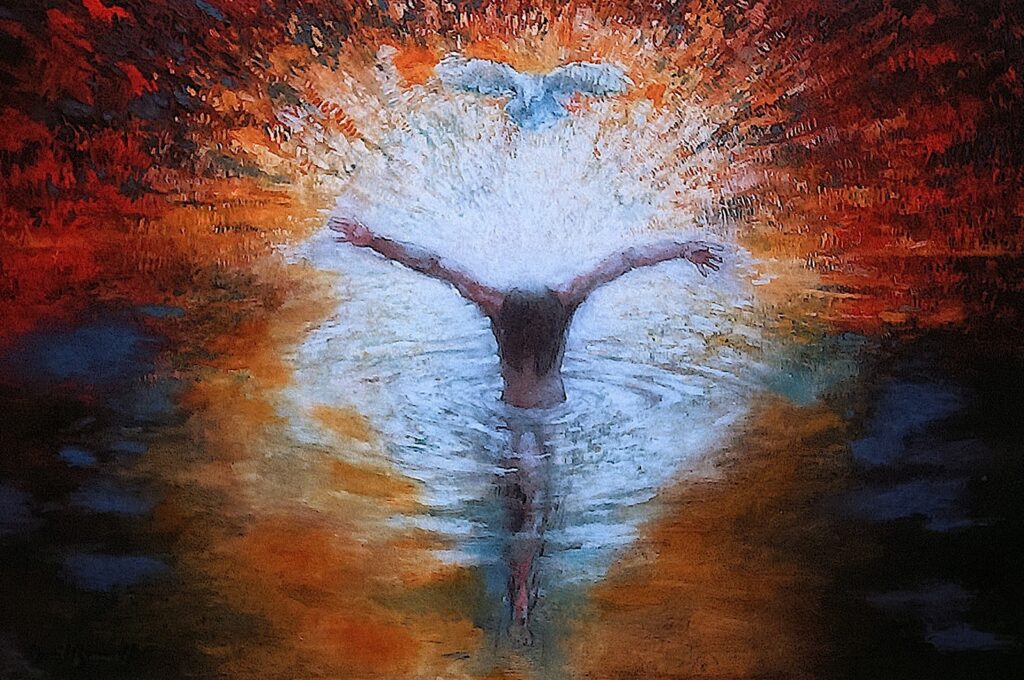
The Holy Spirit figured largely in the life of Jesus. My goodness—the God-Man came to be by the overshadowing of this Spirit. Then when Jesus was baptized the Holy Spirit came down upon him and he was commissioned for his ministry. Perhaps every morning Jesus prayed, “Come, Holy Spirit…Away we go,” and then proceeded to preach, heal the sick, and raise the dead. Even today, at every Mass the bread and wine are transformed into the body and blood of Jesus through the Holy Spirit.
When we look to the Holy Spirit for help (Jesus did call him our Advocate, or Helper), we are bound to have an interesting day!
Art for Faith, Creating and Appreciating
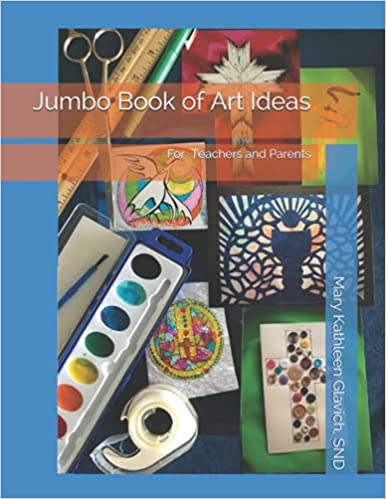
This week my book Jumbo Book of Art Ideas for school and home was published. It contains directions for over 300 art projects, many of them accompanied by beautiful samples created by my Sisters of Notre Dame—all in color. This prompts me to reflect this week on art’s role in fostering our faith.
As you probably know, long ago stained glass windows were the means to teach illiterate people the faith. Seeing the Good Shepherd carrying the lost lamb imprinted the idea of God’s mercy on their brains and hearts. As a child I collected holy cards. Maybe you did too. One of my favorites showed Jesus sitting on a rock looking out over the Sea of Galilee. Crucifixes, all kinds, are ubiquitous in Catholic churches and homes, reminders of God’s deep love for us.
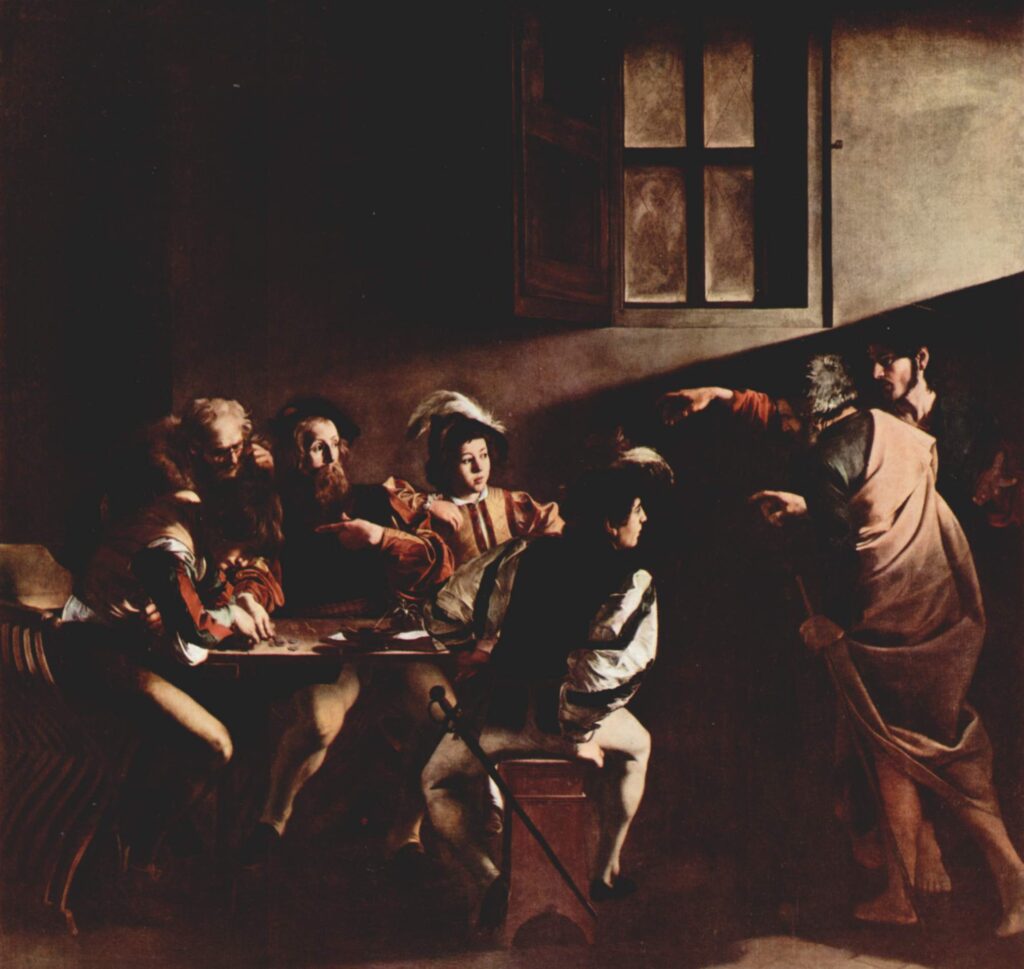
Famous painters chose religious figures and stories as subjects for their masterpieces. Last year my week-long retreat was on portrayals of Mary, in particular Michelangelo’s “Pieta.” I once heard a priest speak for an hour about Caravaggio’s painting “The Calling of St. Matthew.”
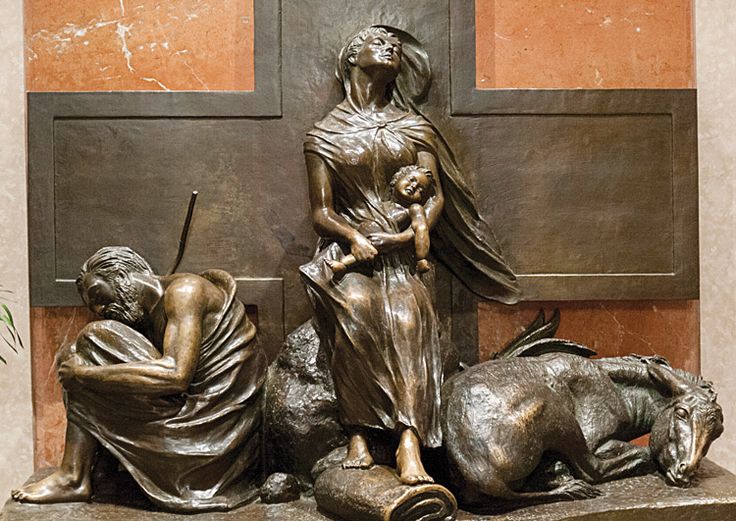
Certain art pieces touch my heart, like the statue of the Flight into Egypt in our National Basilica of the Immaculate Conception. All the members of the Holy Family are sound asleep!
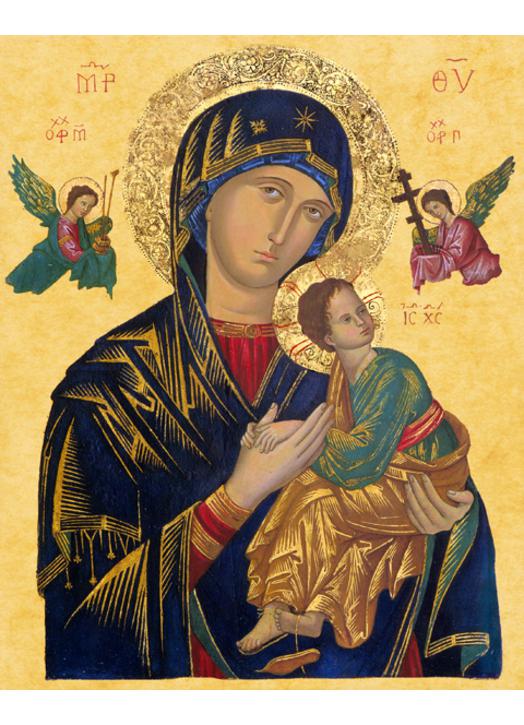
Icons are viewed as windows into the divine and are painted prayerfully as a religious experience. I love the one of Our Lady of Perpetual Help where she holds Jesus and angels present instruments of his future passion. The child Jesus’s sandal is dangling off his foot as though he were in a hurry to fly to his mother for protection. The message is that we too can run to Mary for help. Any religious work of art can be a springboard to prayer.
Originally my book was based on the premise that creating art on religious themes can reinforce them and strengthen one’s faith. This holds true for children and adults. (I remember that as a preteen I drew pictures of Mary over and over, trying to make her as beautiful as possible.) Now I realize that the collection of art projects in the book are not limited to religious topics. They can be used to illustrate any subject.
The many ideas can also be a boon for parents and grandparents who are looking for some way to keep children occupied. My mother was glad to have a book called “What Can I Do Now, Mother?”
Of course, the divine Artist is not to be outdone. His artwork causes us to ponder his glory and pray. Here is a photo I took of one of God’s masterpieces: sunrise outside my apartment.

• What piece of art—a statue, painting, or stained glass window—moves your heart?
• What religious art have you created?
Presumed Guilty
I just finished reading the book A Stone for a Pillow: Journeys with Jacob by Madeleine L’Engle, famous author of A Wrinkle in Time. This book based on the biblical story of Jacob is quite different. In it L’Engle weaves in many personal experiences. One in particular that she mentions several times was an unsettling one. A friend had revealed a terrible secret to her in strict confidence. When the secret was spread about, Madeleine incorrectly was assumed to be the source. On some nights people called her and condemned her for spilling the secret. Her reputation was tarnished and naturally her feelings were hurt. When she said she hadn’t revealed the secret, Some people believed her but others didn’t.
I can identify with Madeleine. Twice in my life I was accused of stealing. I’m not perfect, but in these cases, I was innocent. Periodically the news reports that someone in prison was proven not guilty and is freed. Imagine what that person and their family have suffered. We recoil at the injustice.
So how do we react when we are falsely accused? We question how this could be. We are hurt and angry. We wonder what others think of us. How could God let this happen? As Christians we are faced with the need to forgive the accuser as well as the real culprit if we know who it is or not. We can be somewhat consoled in knowing that God knows the truth and at the end of the world we will be vindicated! In the meantime, we can offer up our pain for some intention.
Madeleine and I are not the first ones to undergo the humiliation of being thought a perpetrator. In the first century, a man named Jesus was falsely accused by Rome of setting himself up as king when Caesar was the emperor. No one came to his defense. His own people condemned him. For this concocted “crime,” he was put to an ignominious and painful death. His mother and friends also suffered.

It’s one thing to be accused. On the other hand, we can be the accuser. I’ve learned that it is dangerous to jump to conclusions and interpret another person’s actions as wrongdoing. Just as a jury must sift through facts, we need to do that to obtain the truth. Sometimes looks can be deceiving. Moreover, we are not always aware of circumstances and motives. The bishop in Les Miserables is a good example of how to approach a wrongdoer. Instead of turning Jean Valjean over to the police for stealing his silver, he covers for him. The result is that Valjean turns his life around. But Javert, the police inspector is consumed by a desire to punish, an obsession that leads to his suicide.
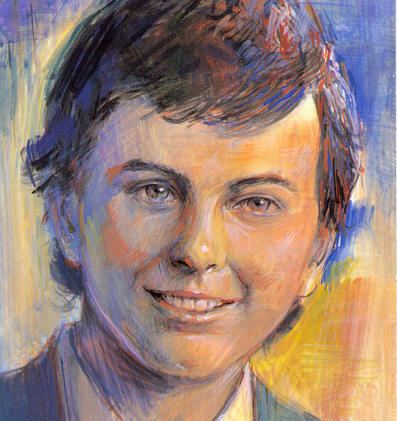
A related story is told about St. Dominic Savio. When he was eleven years old, a classmate accused him of a serious crime. The teacher did not expel Dominic for this first offense, but scolded him harshly before the class. Dominic didn’t say a word in his defense. Later, when the true culprit was revealed, the teacher asked Dominic why he accepted being thought guilty. Dominic explained that his classmate was already in a great deal of trouble and wanted to give him a chance. I guess that is the difference between a saint like Dominic and the rest of us!
Last year I learned a new word: schadenfreude. It means the joy we feel at the misfortunes of others. Madeleine pointed out a similar not-so-nice feeling. She wrote, “It’s a taint in human nature to like to see someone else do wrong so that we can affirm our own righteousness.” Something to think about.
The truth is that we are all sinners. How blessed we are that our God is a God of mercy and compassion!
• If you’ve been falsely accused, how did you handle it?